
A well-run HOA is rarely judged by what happens at a board meeting. Residents judge it when the entrance landscaping is maintained, a repair request receives a clear answer, dues are handled accurately, and community rules are applied consistently. This HOA board management guide focuses on the operating habits that help volunteer boards protect property values while reducing avoidable conflict and administrative strain.
For communities across Greater Houston, that work also has a local dimension. Heavy rain, heat, storm preparation, aging infrastructure, insurance costs, vendor availability, and changing owner expectations can quickly turn a small oversight issue into an expensive one. Strong board management creates order before those pressures become emergencies.
Start With Clear Board Roles and Authority
An HOA board is responsible for governing the association, not personally performing every task. The board sets policy, approves budgets, makes major financial and vendor decisions, enforces governing documents fairly, and maintains oversight of the association’s operations. Individual directors should not make unilateral commitments, direct vendors outside agreed processes, or promise exceptions to owners without board authority.
This distinction matters because unclear roles often create inconsistency. One homeowner may receive a quick answer from a director, while another is told to submit a formal request. A vendor may receive conflicting instructions from multiple board members. Over time, that lack of structure costs money and damages trust.
The board should document responsibilities for officers, committees, and any management partner. The president typically leads meetings and helps keep the board focused on approved priorities. The treasurer monitors financial reporting and budget performance. The secretary supports records, notices, and meeting documentation. These titles do not mean one person carries the full workload. They create accountability for making sure key duties are covered.
Build Meetings Around Decisions, Not Discussion
Board meetings should give directors the information needed to make timely decisions. They should not become open-ended complaint sessions or a review of every operational detail. A reliable meeting rhythm helps prevent delayed repairs, missed deadlines, and rushed spending.
Send the agenda and supporting reports far enough ahead for directors to review them. Financial statements, delinquency reports, maintenance updates, pending architectural requests, vendor proposals, and prior meeting minutes should be organized in one place. Directors who arrive prepared can spend meeting time evaluating options instead of searching for background information.
A practical agenda moves from approval items to financial performance, operations, pending decisions, and owner concerns. Every action item should identify who is responsible and when it is due. Meeting minutes should record motions, votes, approvals, and key direction given to management or committees. They are not a word-for-word transcript.
Owner forums can be valuable when they are structured. Give owners a defined time to speak, require advance submission for complicated topics when appropriate, and acknowledge concerns without committing the association to an answer before the board has reviewed the facts. Respectful boundaries allow residents to be heard while keeping the meeting productive.
Create a Budget That Plans for Reality
A balanced budget is more than an annual dues calculation. It is the board’s operating plan for maintaining the community and meeting its financial obligations. Underfunding routine work may keep assessments lower in the short term, but it often leads to deferred maintenance, special assessments, and owner frustration later.
Start with actual historical expenses, then compare them with expected contract increases, utility trends, insurance renewals, maintenance needs, and reserve funding goals. In the Houston area, boards should also consider weather-related cleanup, drainage concerns, irrigation demand, roofing exposure, and tree maintenance. The right number depends on the property type, age, amenities, and condition of common areas.
A useful budget separates predictable operating costs from long-term capital needs. Landscaping, management, utilities, cleaning, pool service, and minor repairs are operating expenses. Major pavement work, roofs, fencing, exterior painting, drainage improvements, and equipment replacement require longer-range planning. Reserves help spread those costs over time rather than placing the full burden on current owners when something fails.
Review financial reports every month, not only when the annual budget is due. Watch for unpaid assessments, expenses that exceed budget, low reserve balances, and recurring repair costs. A repeated repair is often a signal that replacement or a different maintenance approach should be evaluated.
Use Consistent Processes for Maintenance and Vendors
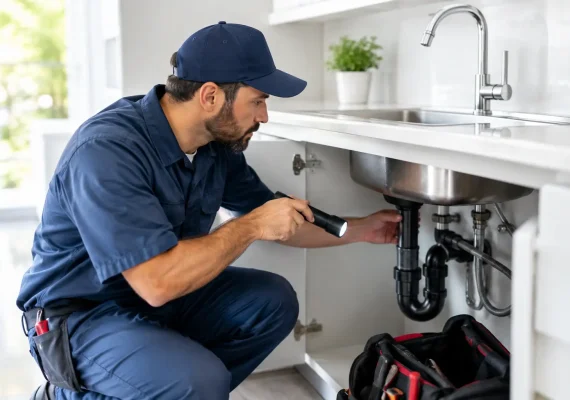
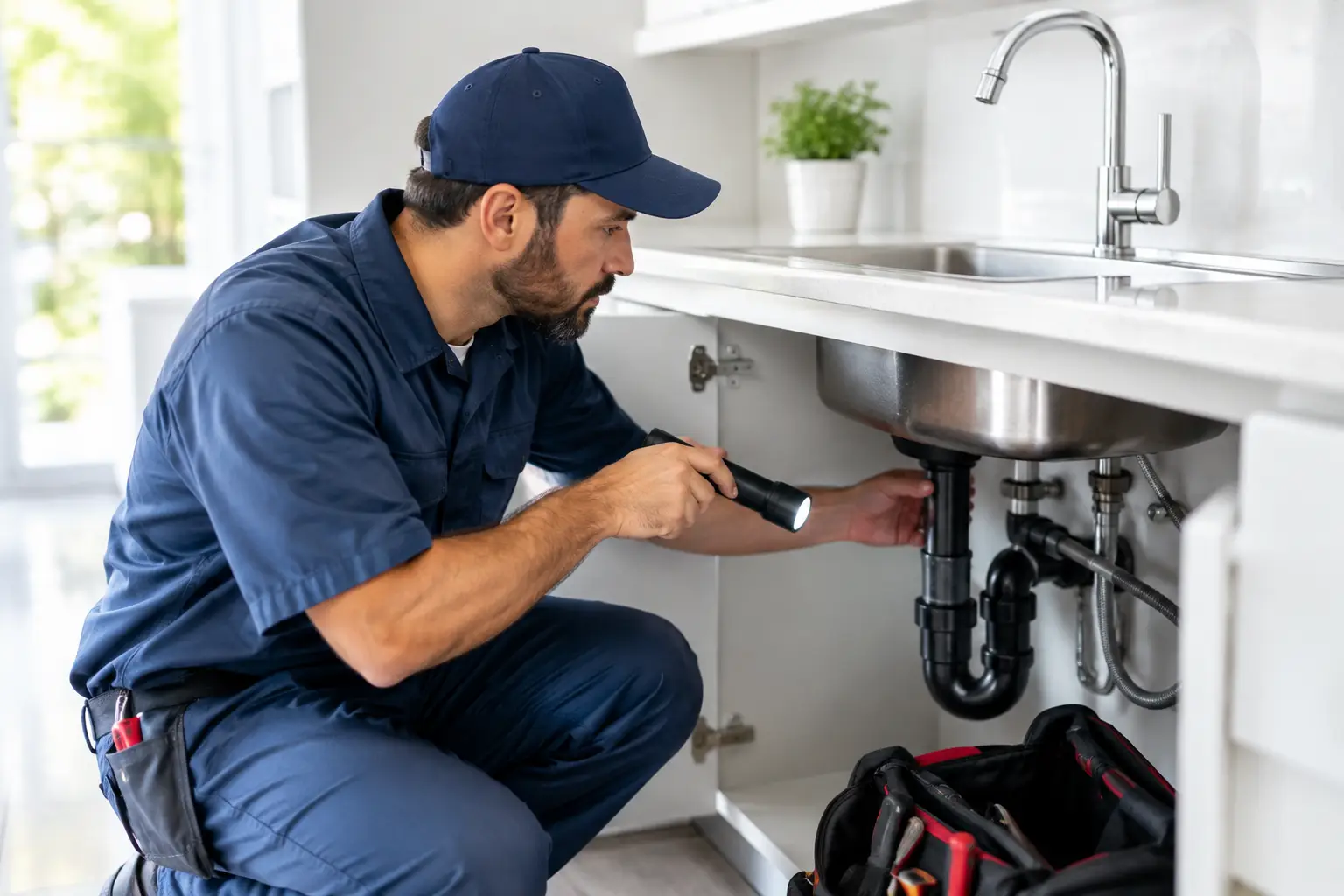
Maintenance is where board decisions become visible to residents. A clear system should allow owners to report common-area concerns, document the condition, prioritize the issue, assign the work, and confirm completion. Digital maintenance tracking can reduce lost requests and create a record of what was reported and when.
Not every issue requires the same response. A life-safety concern, active leak, storm damage, or damaged entry gate may need immediate action. Cosmetic work can be scheduled based on budget and priority. The key is communicating the difference. Owners are more patient when they understand that the association has received the request, assessed it, and established a reasonable next step.
Vendor relationships need the same discipline. Obtain appropriate bids for material projects, verify insurance requirements, define the scope of work in writing, and track completion before approving payment. The lowest bid is not always the best value. A contractor with weak communication, unclear exclusions, or limited capacity can create expensive problems after the contract is signed.
For recurring services, review vendor performance at least annually. Consider response time, quality, cost control, documentation, resident impact, and ability to handle urgent situations. When the board changes vendors, communicate what will change and what residents should expect.
Communicate Early, Clearly, and in One Voice
Most HOA conflict grows in the space between an action and an explanation. Owners do not need to agree with every board decision, but they should receive accurate, timely information about projects, assessments, rules, closures, and deadlines.
Use official communication channels for association business. That may include a resident portal, email notices, mailed notices when required, and community updates. Avoid managing important issues through informal text chains or social media comments, where information can be incomplete or easily misunderstood.
Communication should explain the practical impact. If a gate repair will affect access, state the dates, alternate instructions, and contact method for urgent issues. If dues are changing, explain the effective date and the operational reasons behind the increase. If a rule is being enforced, reference the applicable standard and describe the correction process.
Consistency also matters in architectural review and covenant enforcement. Apply published criteria, keep records of decisions, and avoid making exceptions based on who asks or who serves on the board. Some situations require legal review or a careful reading of the governing documents, particularly when an owner disputes a violation or requests an accommodation. Boards should seek qualified guidance instead of relying on assumptions.
Know When Professional Management Adds Value
Volunteer directors bring community knowledge, but they may not have the time or systems to manage accounting, collections, vendor coordination, recordkeeping, resident communication, compliance calendars, and maintenance follow-through. That is where professional HOA management can reduce the operational burden while keeping authority with the board.
A capable management partner provides organized reporting, a defined point of contact, vendor coordination, online payment and service tools, and consistent administrative support. The board still makes the decisions. Management helps ensure those decisions are documented, communicated, and carried out.
The right level of support depends on the association. A small, stable community with limited common areas may need less hands-on help than a condominium or amenity-rich neighborhood. However, even smaller associations benefit from reliable financial controls and a plan for continuity when volunteer leaders change.
Prime Realty Property Management supports associations with practical oversight designed to keep board members informed without requiring them to manage every daily task. The goal is not to take the community out of the board’s hands. It is to give directors better visibility, stronger processes, and more time to focus on decisions that protect the neighborhood.
A board does not need to solve every issue immediately to lead effectively. It needs a dependable process for identifying priorities, making informed decisions, and following through. That consistency is what residents notice over time, and it is what helps a community remain financially sound and well maintained.