
A missed assessment, an overdue vendor invoice, or a maintenance request that sits too long can quickly create friction in any community. The distinction between an HOA manager versus board matters because it determines who is responsible for making decisions, carrying them out, and answering to homeowners when something goes wrong.
For Texas associations, a strong working relationship between the board and management company protects property values, keeps operations organized, and reduces the burden on volunteer board members. The board provides direction. The manager provides professional administration and follow-through. When those roles blur, communities often face delayed decisions, inconsistent enforcement, and unnecessary conflict.
HOA Manager Versus Board: The Core Difference
An HOA board is the governing body of the association. Board members are typically homeowners elected by the community, and they have a fiduciary duty to act in the association’s best interests. Their job is to set policy, approve budgets, make major financial decisions, and oversee the association’s affairs.
An HOA manager is a paid professional or management company hired by the association. The manager handles the daily work required to put the board’s decisions into action. That may include collecting assessments, coordinating repairs, communicating with residents, maintaining records, preparing financial reports, and working with vendors.
Put simply, the board decides what should happen within the authority granted by the governing documents and applicable law. The manager helps make it happen efficiently and consistently.
The manager does not replace the board, and the board should not have to perform the manager’s day-to-day administrative work. Both roles are necessary, but they serve different functions.
What the HOA Board Is Responsible For
Board authority comes from the association’s declaration, bylaws, rules, and Texas law. While the details vary from one community to another, the board generally has responsibility for governance and major decision-making.
Setting policy and enforcing governing documents
The board adopts rules and policies that are consistent with the association’s governing documents. This can include architectural standards, parking rules, pet policies, rental restrictions, collection policies, and enforcement procedures.
A manager can send violation notices and track compliance, but the board establishes the standards and decides how enforcement should be handled. For sensitive or disputed matters, the board may need to review the circumstances, hold a hearing when required, and make the final decision.
Approving the budget and assessments
The board approves the annual operating budget and determines the assessment amount required to fund community operations. It also makes decisions about reserves, special assessments, insurance coverage, major contracts, and significant capital repairs.
A manager can prepare budget information, provide vendor pricing, monitor expenses, and offer operational recommendations. However, the board retains responsibility for approving the financial direction of the association.
Making major business decisions
Large projects require board oversight. Examples include replacing roofs or fencing, renovating amenities, changing landscaping contracts, pursuing collections, retaining legal counsel, or entering long-term vendor agreements.
Board members should review the available information, ask questions, document their decisions in meeting minutes, and avoid acting outside their authority. A capable manager makes this process easier by organizing bids, timelines, financial data, and vendor information before the board meets.
Maintaining accountability to homeowners
Board members are accountable to the community they serve. They must conduct meetings appropriately, communicate decisions clearly, manage conflicts of interest, and make decisions based on the association’s best interests rather than personal preferences.
That responsibility is significant, especially in larger communities. It is also why boards benefit from professional management that provides reliable records, financial visibility, and consistent operational support.
What an HOA Manager Handles Day to Day
The manager is the association’s operational point of contact. Depending on the management agreement, the manager may work with the board, homeowners, tenants, vendors, accountants, attorneys, and insurance professionals.
Financial administration
An HOA manager commonly coordinates assessment billing and collection, processes approved invoices, tracks delinquent accounts, prepares financial reports, and assists with budget planning. Good financial administration gives the board a current view of cash flow, expenses, reserves, and collection activity.
The manager should follow the board-approved budget and spending authority. If an unexpected repair exceeds approved limits or affects the budget, the manager should bring the issue to the board for direction unless the management agreement allows emergency action.
Maintenance and vendor coordination
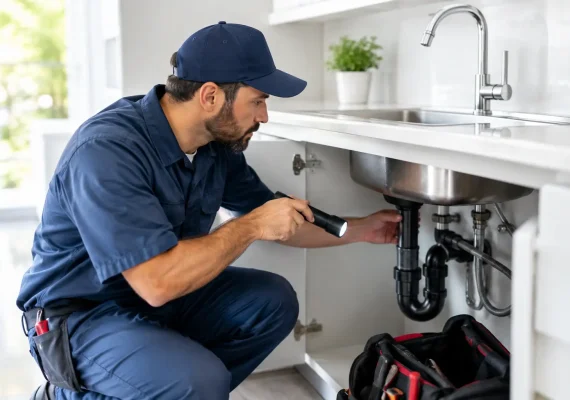
Common-area maintenance is one of the most visible management responsibilities. The manager receives service requests, schedules vendors, obtains bids, verifies completed work, and keeps the board informed about conditions that may require attention.
For example, if irrigation problems are causing landscaping damage, the manager can coordinate an inspection and provide repair options. The board may approve a major replacement, while the manager manages scheduling, vendor communication, invoices, and homeowner updates.
Homeowner communication and records
Managers answer routine questions, distribute meeting notices, maintain association records, coordinate architectural review submissions, and communicate board-approved policies. This creates a more consistent resident experience and reduces the number of operational calls and emails going directly to volunteer board members.
Technology can make a practical difference here. Online payment options, maintenance request systems, and organized communication channels help residents get answers faster while giving the association better documentation.
Meeting support and compliance follow-through
A manager can prepare meeting agendas, assemble board packets, distribute notices, draft minutes for review, and track action items after meetings. The manager can also help the board follow the procedures in its governing documents.
However, management support is not the same as legal advice. Questions involving statutory requirements, litigation, interpretation of governing documents, or serious enforcement disputes may require association counsel. A professional manager should recognize when an issue needs to be elevated rather than making legal decisions independently.
Where Roles Commonly Get Confused
Most HOA management problems do not start because either side is unwilling to help. They start when expectations are unclear.
A board may expect the manager to make a final decision on a controversial rule violation. The manager may have authority to issue notices under an established policy, but the board generally needs to decide the policy and address escalated disputes. Likewise, a manager may present several vendor options, but the board should not expect the manager to choose a major contract without authorized direction.
Another common issue is individual board members directing the manager. In most cases, a manager takes direction from the board as a whole, usually through motions, meeting decisions, or a designated board liaison. One director should not independently change priorities, authorize expenses, or instruct vendors unless the board has specifically delegated that authority.
Clear limits also protect the manager. A manager cannot solve a problem that requires board action if the board delays a decision or gives conflicting instructions. Regular meetings, documented decisions, and a defined approval process keep work moving.
How a Professional Manager Helps the Board Perform Better
Volunteer board members often have careers, families, and limited time. They should be focused on governance, financial oversight, and long-term community priorities, not chasing invoices or coordinating every maintenance call.
Professional management provides the structure that helps boards make informed decisions. That includes accurate financial reporting, timely maintenance updates, vendor coordination, homeowner communication, and organized records. It also helps preserve continuity when board membership changes.
For associations in Pasadena and the Greater Houston area, local experience matters. Weather-related maintenance, insurance concerns, vendor availability, and the pace of growth across the region can all affect an HOA’s operating costs and priorities. Prime Realty Property Management helps associations create practical systems that keep routine operations on track while giving boards the information needed to lead effectively.
Building a Better Board-Manager Relationship
The strongest associations treat management as a professional partnership with clear boundaries. The management agreement should define the manager’s duties, authority limits, reporting expectations, emergency procedures, and fees. The board should also establish who can communicate instructions to the manager and how approvals will be documented.
Regular communication is equally important. A concise monthly management report can cover collections, delinquencies, maintenance activity, violations, vendor performance, upcoming contracts, and items requiring board decisions. This gives the board visibility without forcing members to manage every operational detail.
Respect goes both ways. The board should provide timely direction and avoid micromanaging routine work. The manager should communicate early when an issue could affect cost, compliance, safety, or resident satisfaction. Neither side benefits from surprises.
A well-run HOA does not require board members to become full-time property managers. It requires a board that governs with purpose and a manager who handles the details with accountability. When each role stays in its proper lane, homeowners see faster responses, cleaner records, better-maintained common areas, and a community that is easier to live in and protect for the long term.