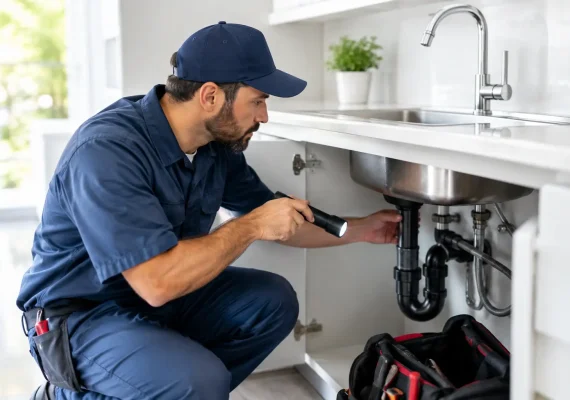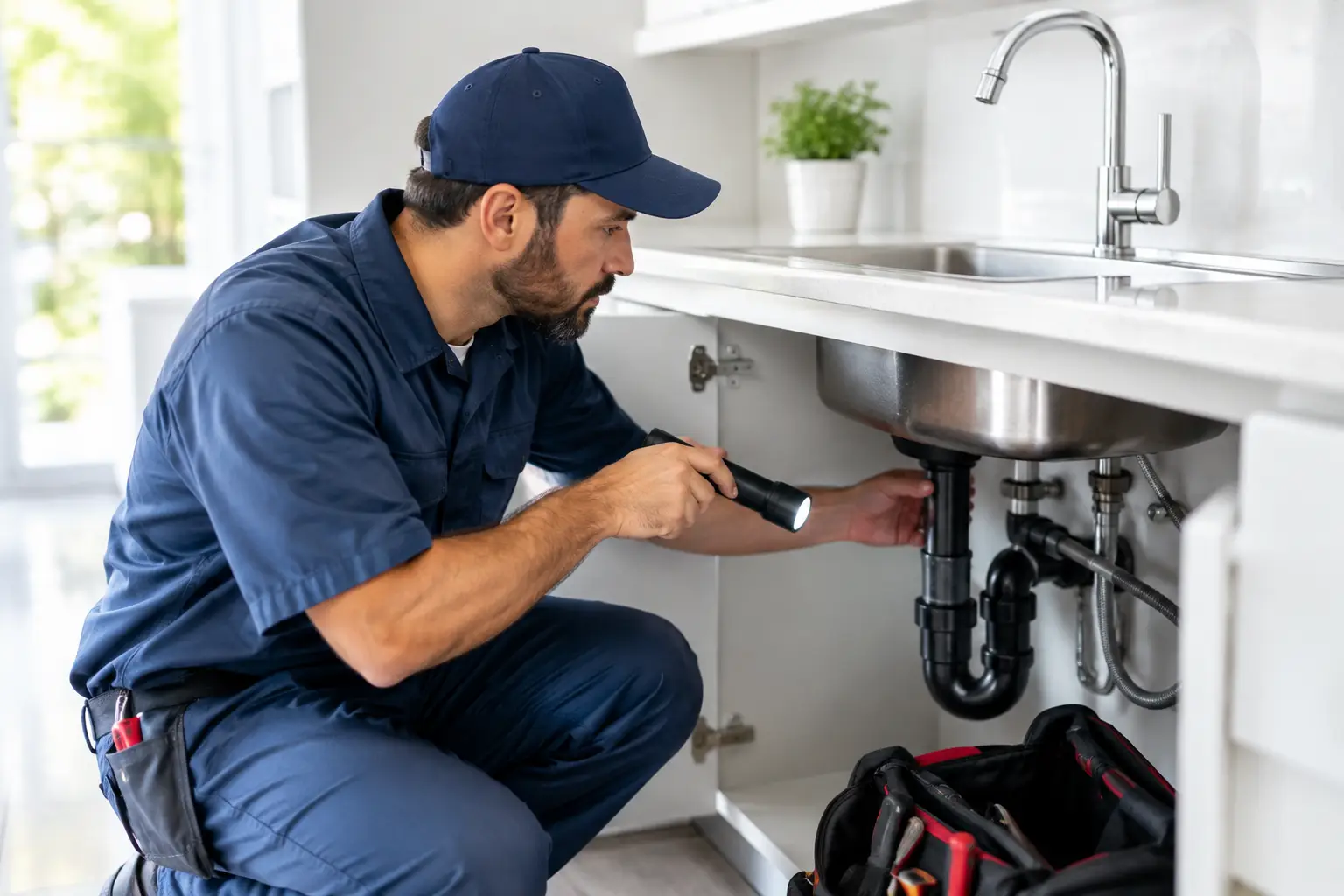
A leaking water heater at 9:00 p.m. is not just a repair issue. For a rental owner, it can quickly become a tenant-retention problem, a property-damage claim, and an unplanned expense. A dependable rental maintenance coordination process creates order when those calls come in, so repairs are handled quickly without sacrificing cost control or owner visibility.
For owners in Pasadena and Greater Houston, maintenance coordination is especially important. Heat, humidity, heavy rain, aging plumbing, and hard-working HVAC systems put steady pressure on residential and commercial properties. The goal is not to eliminate every repair. It is to address problems at the right time, with the right contractor, while protecting the condition and income potential of the property.
What Maintenance Coordination Actually Covers
Maintenance coordination is the system used to receive repair requests, determine urgency, communicate with tenants, assign qualified vendors, approve work, track completion, and document costs. It applies to routine repairs, preventive service, emergency response, make-ready work between tenants, and larger capital projects.
The difference between coordination and simply calling a contractor is accountability. Someone must confirm what happened, decide whether the repair is the owner’s responsibility, obtain the necessary approval, make sure the vendor gains access, review the completed work, and retain the invoice and service record. Without that process, small issues can sit too long or turn into expensive surprises.
For a single-family rental, this may involve one tenant request and one repair technician. For an apartment community, commercial building, or HOA, it can involve common-area systems, multiple residents, vendor scheduling, association rules, and a larger approval chain. The fundamentals remain the same, but the level of coordination changes with the property type.
The Rental Maintenance Coordination Process, Step by Step
A strong process begins before a tenant submits a request. Clear lease terms establish how residents report maintenance, what qualifies as an emergency, and what responsibilities remain with the tenant. Residents should know, for example, that a gas smell, active flooding, loss of essential utilities, or a serious safety concern requires immediate action. A dripping faucet or loose cabinet hinge can usually be scheduled during normal business hours.
1. Receive and document the request
Online maintenance portals make it easier for tenants to submit details, photos, and preferred access times. This creates a written record and reduces the confusion that often comes with phone-only reporting. The report should identify the location, describe the symptoms, note any immediate risk, and include photos or video when useful.
Good documentation protects everyone. It helps the maintenance team send the appropriate vendor, gives the owner a clear history of the issue, and establishes whether a recurring problem may require a larger repair rather than another temporary fix.
2. Triage the urgency and responsibility
Not every request needs the same response. Water intrusion, electrical hazards, failed air conditioning during extreme heat, and security issues should be evaluated promptly. Delayed response can increase damage and create avoidable tenant frustration.
Other requests can be grouped into scheduled service. That approach is more efficient when several repairs can be handled during one visit, particularly at multi-family properties. The trade-off is that routine work must still be tracked carefully. A request that is reasonable to schedule today may become urgent if it is ignored for weeks.
The coordinator also reviews responsibility. A failed garbage disposal may be ordinary wear and tear, while damage caused by misuse may be chargeable to the tenant under the lease and applicable law. The facts matter. Assumptions and inconsistent decisions create disputes.
3. Assign the right vendor and control the scope
The lowest bid is not always the lowest cost. A qualified, insured vendor who arrives as scheduled, diagnoses the problem correctly, and stands behind the work may protect the owner from repeat service calls and further damage. Established vendor relationships can also improve response times and provide volume-based pricing advantages.
For straightforward repairs, a predefined approval limit can keep work moving without waiting for approval on every minor expense. For larger repairs, the owner should receive a clear explanation of the problem, recommended solution, estimated cost, and any reasonable alternatives. Replacing an HVAC component, for instance, may make sense for a newer system, while repeated repairs on an aging unit may justify discussing replacement.
Scope control matters as much as pricing. A work order should state what the vendor is expected to inspect or repair, not simply say “fix leak.” Clear instructions reduce change orders, prevent misunderstandings, and make invoices easier to review.
4. Coordinate access and keep the tenant informed
Repairs often fail because access was never confirmed. Tenants need appropriate notice for nonemergency entry, a realistic service window, and communication if the appointment changes. Vendors need current contact information, access instructions, parking details when relevant, and awareness of pets, gate codes, or building requirements.
Communication does not need to be complicated. A tenant who knows a technician is scheduled for Tuesday afternoon is far more likely to cooperate than one who receives no update. That responsiveness supports retention and reduces follow-up calls, which benefits both the resident and the owner.
5. Verify completion and close the record
A vendor invoice alone does not always confirm that the issue was resolved. The maintenance team should review the work performed, compare it with the approved scope, and follow up when the repair is incomplete or the problem continues. Photos, receipts, warranties, and technician notes should be retained in the property record.
This final step is where many self-managed operations lose visibility. If a water issue returns six months later, a complete history can show whether the earlier repair addressed the source or only treated the symptom. Those records also help during owner reporting, property sales, insurance claims, and turnover inspections.
Preventive Maintenance Protects Operating Income
Emergency repairs are expensive because they happen on someone else’s timetable. Preventive maintenance gives owners more control. Seasonal HVAC service, drain-line cleaning, roof and gutter inspections, plumbing checks, appliance reviews, and exterior walkthroughs can identify issues before they interrupt a tenancy or damage the building.
The right schedule depends on the property. A newer condo may need a lighter plan than an older single-family home with mature trees and original plumbing. Multi-family and commercial properties often need more frequent review of common systems, life-safety equipment, and shared areas. Houston-area weather also makes drainage, roof condition, and air conditioning performance practical priorities.
Preventive work should be evaluated as an investment, not a box to check. Replacing a worn supply line may cost far less than repairing flooring, drywall, and cabinetry after a leak. Servicing an air conditioner before peak summer demand can reduce the risk of an urgent replacement decision when vendors are busiest.
What Owners Should Expect From Professional Coordination
Owners should not have to chase updates, interpret vague invoices, or wonder whether a request was ever resolved. A professional management approach provides a documented workflow, qualified vendor oversight, clear approval practices, and reporting that connects maintenance spending to the property’s condition.
Transparency is particularly valuable when repair costs increase. The owner should understand what failed, why the recommended solution is appropriate, what work is included, and whether a repair is likely to extend the useful life of the asset. There are situations where a less expensive repair is the right call. There are also situations where postponing replacement only creates repeated bills and tenant disruption.
Prime Realty Property Management coordinates maintenance with the same focus applied to leasing and day-to-day operations: protect the property, keep residents informed, and help owners make practical decisions with their investment in mind.
Common Gaps That Raise Maintenance Costs
The most costly maintenance problems are often process problems. Requests are left in text messages, vendors are dispatched without a clear scope, invoices are paid without review, or recurring issues are treated as isolated events. Each gap makes it harder to manage cost, response time, and accountability.
Another common mistake is waiting for a tenant to complain before inspecting major systems. Tenants should report problems, but owners should not rely on residents to identify every early warning sign. Routine inspections and preventive service provide a better view of the property’s condition.
Finally, speed should not mean skipping documentation. An emergency requires immediate action, but the follow-up still matters. The record should show the initial report, actions taken, vendor findings, final repair, cost, and any next step needed to prevent recurrence.
A well-run maintenance process does more than resolve repair tickets. It preserves the condition of the asset, supports a better tenant experience, and gives owners the confidence to make decisions based on facts rather than urgent calls. When the next issue arises, the best outcome is not simply that someone was sent out. It is that the repair was handled promptly, documented clearly, and managed in a way that protects the property for the long term.