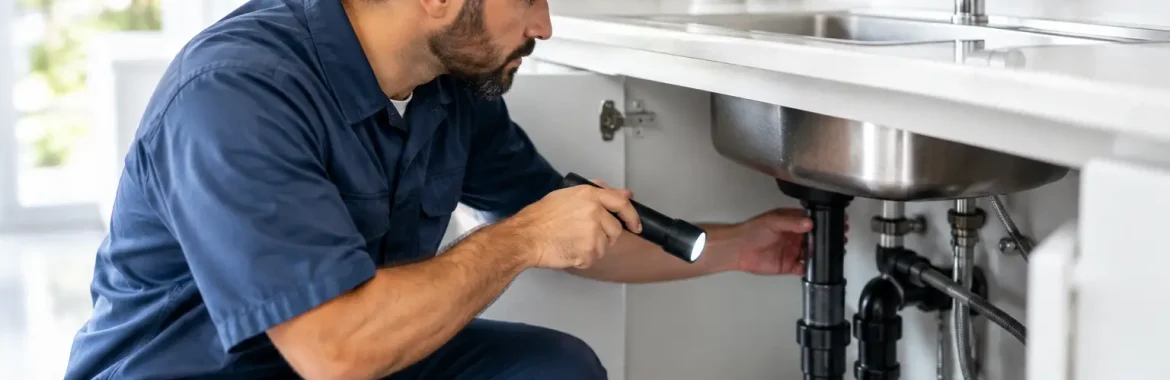
A burst supply line at 2:00 a.m. can damage more than drywall. It can displace residents, interrupt neighboring units, create insurance complications, and turn a manageable repair into a costly claim. A dependable emergency maintenance response gives rental owners a clear way to protect people, preserve the property, and keep a disruptive situation from becoming a long-term loss.
For owners in Pasadena and the Greater Houston area, speed matters, but speed without judgment can be expensive. The right response separates true emergencies from routine repairs, sends qualified vendors when needed, documents the work, and keeps residents informed until the issue is under control.
What Counts as a Maintenance Emergency?
A maintenance emergency is a condition that threatens resident safety, causes active or likely property damage, or leaves a home or commercial space without an essential service. The key question is not whether a repair is inconvenient. It is whether waiting until normal business hours materially increases risk.
Common examples include active water leaks, sewer backups, gas odors, fire or smoke damage, electrical hazards, loss of heat during cold weather, and broken exterior doors or windows that compromise security. In multi-family properties, an issue in one unit may quickly affect several others. A leaking upstairs water heater, for example, requires immediate action even if the resident below has not yet reported damage.
Not every after-hours request needs an emergency dispatch. A running toilet, a malfunctioning dishwasher, a single appliance outage, or a minor drip may be frustrating but can often be scheduled promptly during regular hours. This distinction protects the property while helping owners avoid unnecessary after-hours vendor rates.
Clear Resident Instructions Prevent Delays
Residents need simple guidance before an emergency occurs. They should know where to submit a request, what phone number to use after hours, and what details to provide. A useful report includes the property address, unit number, the nature of the problem, whether there is active water or a safety concern, and whether utilities have been affected.
Instructions should also explain appropriate first steps. Residents may need to shut off a fixture valve, move belongings away from a leak, leave the property if they smell gas, or call 911 when there is an immediate threat to life or safety. Property management should never ask a resident to take risks with electrical panels, gas lines, major plumbing failures, or structural damage.
How Emergency Maintenance Response Should Work
A reliable process begins with intake and triage. Someone must assess the reported condition, determine its urgency, and decide whether a vendor, utility provider, restoration company, or emergency service is required. This is where experience saves money. Sending the wrong vendor wastes time, while waiting too long can multiply damage.
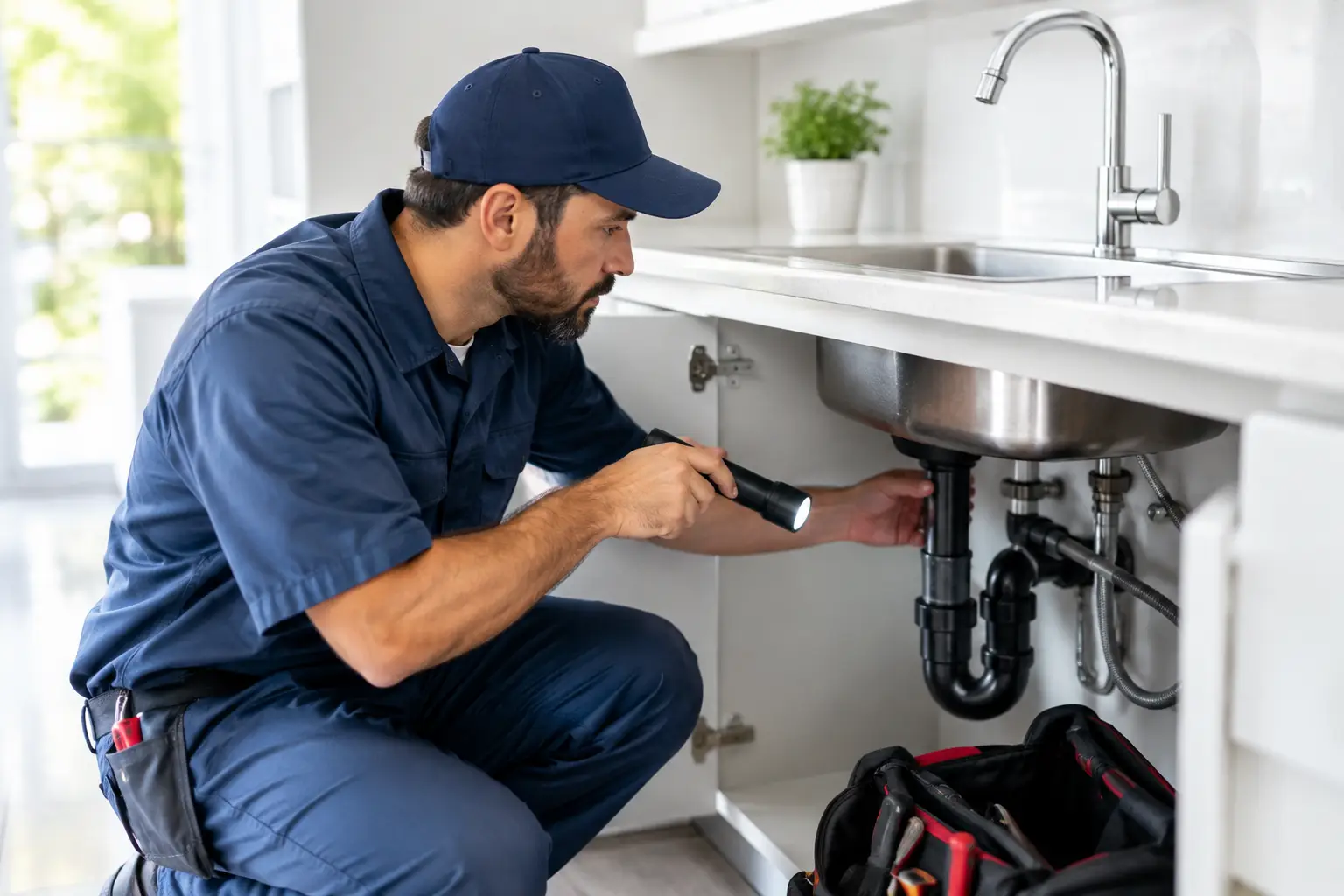
For an active plumbing leak, the immediate priority is stopping the water source and protecting the affected area. That may mean directing a resident to a local shutoff valve while a plumber is dispatched. If water has reached flooring, walls, or another unit, mitigation may need to begin before the final plumbing repair is complete. Quick extraction and drying can reduce the chance of mold, damaged materials, and extended vacancy.
Electrical issues require the same practical judgment. A sparking outlet, exposed wiring, or burning odor should be treated as urgent. A single light fixture that will not turn on may not be. The response should match the actual risk, not the resident’s understandable concern alone.
After the initial dispatch, communication becomes just as important as the repair. Residents need confirmation that their request was received and clear expectations about the next step. Owners need timely notice when an issue may involve significant cost, insurance, habitability, or tenant displacement. Good management does not leave either party guessing.
Documentation Protects the Owner
Every emergency should produce a usable record. That includes the initial report, time of contact, photos or video when available, vendor findings, approval details, invoices, and a description of completed work. For larger incidents, records should also show the actions taken to mitigate further damage.
Documentation is especially valuable when a repair leads to an insurance claim, a dispute over resident responsibility, or questions about the property’s condition. It also helps identify recurring problems. If the same drain line backs up repeatedly, patching the immediate issue may cost less today but create a larger expense later.
A professional manager should review emergency repairs for both cause and prevention. Was a failing water heater approaching the end of its service life? Is a roof leak connected to deferred exterior maintenance? Did a resident need better instructions on how to use a shutoff valve? These answers turn emergency data into better operating decisions.
The Cost of Waiting Is Usually Higher
Owners sometimes hesitate over emergency spending because after-hours labor and restoration services cost more. That concern is reasonable. However, the least expensive invoice is not always the least expensive outcome.
A small leak that continues overnight can affect cabinets, flooring, insulation, and adjacent units. A broken exterior door can expose the property to theft or weather. A sewer backup left untreated can create sanitation concerns and make a unit uninhabitable. In these situations, fast action may reduce repair costs, preserve rental income, and help meet owner obligations to provide a safe property.
The trade-off is control. Emergency work often begins before competitive bids are practical, particularly when damage is active. That is why a defined authorization policy matters. Owners can establish spending limits for true emergencies, require approval above a specified amount when circumstances allow, and expect a complete report after the immediate risk is resolved.
This approach gives managers room to act when time matters without removing owner oversight. It is particularly useful for investors with multiple properties, where one delayed decision can affect several residents and units.
Build Readiness Before the Call Comes In
Emergency readiness is not only an after-hours service. It starts with routine maintenance and accurate property information. Knowing the location of water shutoffs, electrical panels, gas meters, and access points can save critical minutes. So can keeping vendor contacts current and ensuring residents understand how to report issues.
Preventive work reduces the number of emergencies, although it cannot eliminate them. Regular HVAC service, roof inspections, plumbing checks, drainage maintenance, and water heater monitoring can identify problems before they fail at the worst possible time. Older properties may need more frequent attention, while commercial spaces and multi-family buildings often require a more detailed maintenance schedule because of shared systems and higher usage.
Property type also affects response planning. A single-family home may need one plumber and a temporary repair. An apartment building may require coordination with multiple residents, common-area access, water shutoffs serving several units, and restoration work across floors. HOA communities can add responsibilities involving common elements and association approval procedures.
Prime Realty Property Management coordinates maintenance with the practical realities of the Greater Houston rental market in mind: protecting the asset, keeping residents informed, and helping owners make sound decisions when timing is critical.
Questions Owners Should Ask About After-Hours Maintenance
Before choosing a management partner or setting internal procedures, owners should understand who receives emergency calls, how emergencies are classified, and whether qualified vendors are available after hours. They should also ask how spending approvals work, how residents are updated, and what documentation they receive after a repair.
The answers should be specific. “We handle emergencies” is not enough. A workable process identifies who is accountable, what happens when a vendor cannot immediately access the property, and how management responds when an incident affects habitability or neighboring units.
Emergency maintenance is one of the moments when property management becomes most visible. Residents remember whether they received a response when water was coming through the ceiling. Owners remember whether a problem was contained or allowed to grow. Clear procedures, reliable vendor coordination, and timely communication make those moments easier to manage – and far less expensive over the life of a rental property.