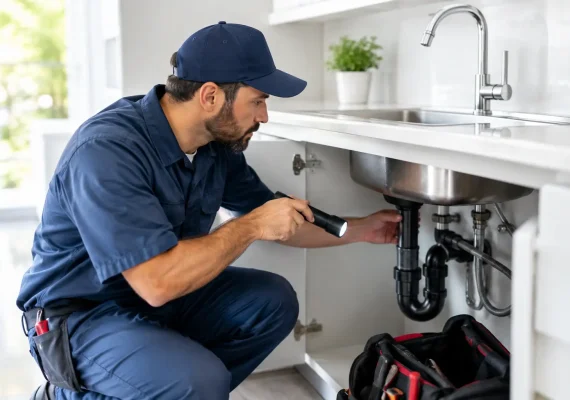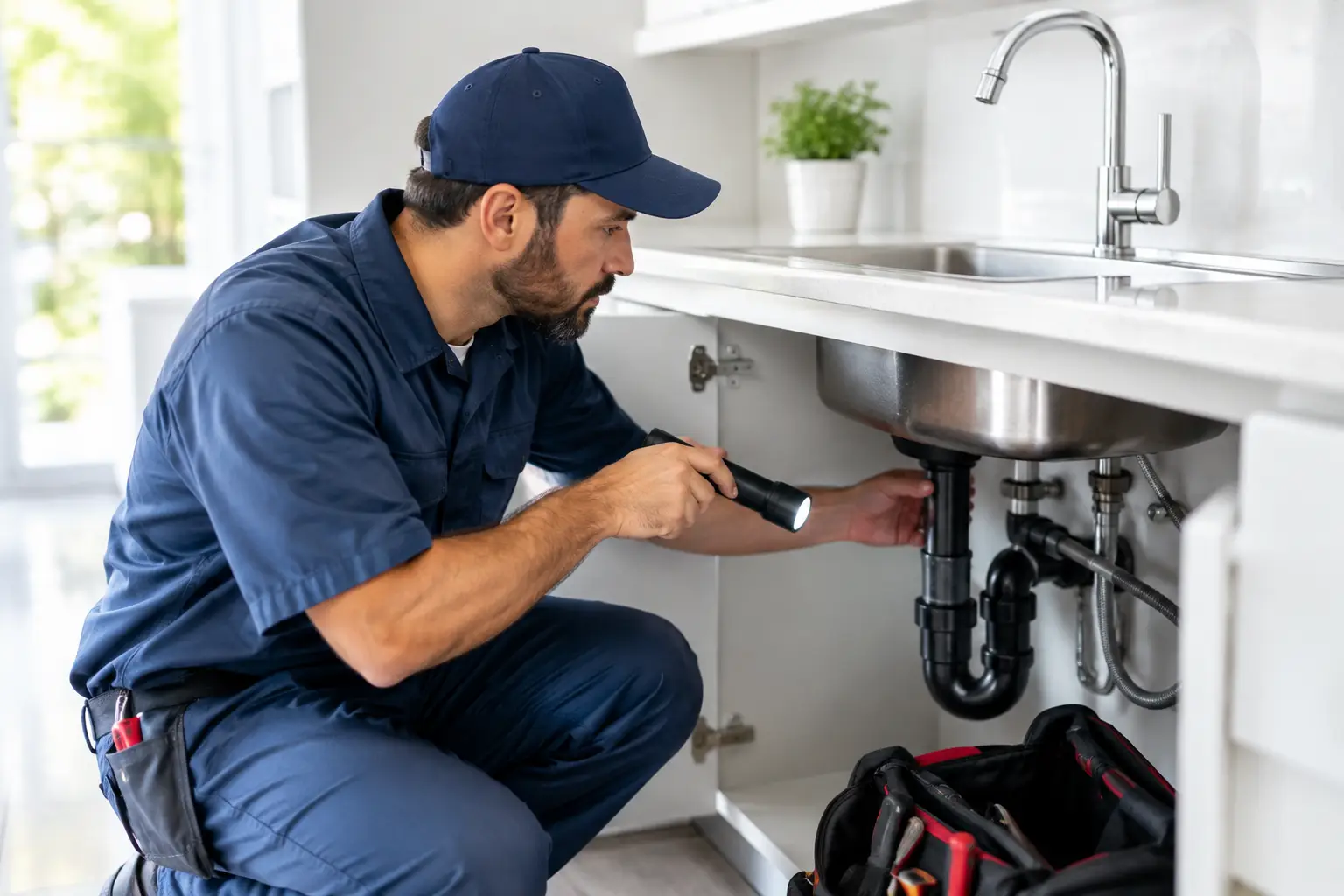

A water heater fails on a Friday, an air conditioner quits during a Houston summer, or a roof leak appears after a hard storm. Those costs are part of ownership, but they do not have to become financial emergencies. This reserve fund guide explains how rental property and HOA owners can keep available cash for expected capital needs, protect monthly operations, and make better decisions when repairs cannot wait.
For owners focused on dependable income, a reserve fund is not idle money. It is a working financial safeguard that keeps one repair from disrupting cash flow, delaying a necessary fix, or forcing a high-cost financing decision.
What a Reserve Fund Covers
A reserve fund is money set aside for significant, non-routine property expenses. It is separate from the funds used to pay regular monthly bills such as mortgage payments, utilities, routine landscaping, cleaning, and standard maintenance.
For a single-family rental, reserves commonly cover an HVAC replacement, water heater, appliance failure, plumbing repair, fence replacement, roof work, or turnover expenses beyond the normal budget. For apartments and multifamily properties, the list may also include common-area improvements, parking lot repairs, exterior painting, security systems, major plumbing work, and equipment replacement.
HOA reserve funds serve a related but distinct purpose. They are generally intended for the future repair or replacement of common elements, such as roofs, private roads, gates, pools, elevators, fencing, drainage systems, and clubhouses. HOA boards need to consider governing documents, applicable legal requirements, reserve studies, and owner assessment obligations when setting their funding strategy.
The key distinction is simple: an operating account handles predictable, recurring costs. A reserve account prepares the property or association for larger costs that are inevitable over time, even if the timing is uncertain.
How Much Should a Rental Owner Keep in Reserve?
There is no one reserve number that fits every investment property. A newer home with recently replaced mechanical systems needs a different cushion than a 1970s duplex with aging plumbing, original electrical components, and a roof near the end of its useful life.
As a practical starting point, many rental owners maintain three to six months of property operating expenses in readily available reserves. That may include mortgage payments, insurance, property taxes, HOA dues, utilities paid by the owner, and basic maintenance obligations. Owners with older properties, higher vacancy risk, or limited access to credit may choose a larger amount.
A second approach is to reserve a portion of monthly rent for repairs and capital expenditures. Setting aside 5% to 10% of collected rent can build discipline, particularly for owners with multiple homes or smaller multifamily properties. However, a percentage alone is not enough if the property has a known large expense approaching. A 20-year-old HVAC system will not wait for a monthly savings formula to catch up.
The most effective reserve target combines both methods: maintain a baseline cash cushion for operations, then add planned savings for known capital replacements. Review the target at least annually and after a major repair, acquisition, renovation, insurance change, or increase in operating costs.
A Practical Reserve Calculation
Start by identifying the property’s monthly carrying costs. Then estimate the condition and remaining life of major components. A simple planning example might include:
- Three months of total operating expenses for immediate stability
- A scheduled annual contribution for roof, HVAC, plumbing, and appliance replacement
- Additional funds for expected turnover, vacancy, or deductible exposure
- A separate amount for deferred repairs identified during inspections
For example, if a rental property requires $2,800 per month to carry and operate, a three-month operating reserve would be $8,400. If the owner expects to replace an HVAC system within two years at an estimated cost of $8,000, setting aside roughly $335 per month for that project creates a more realistic reserve plan.
Build Reserves Around the Property’s Actual Condition
The fastest way to underfund a reserve account is to use a generic number without looking at the building. Property age, construction type, maintenance history, tenant use, weather exposure, and prior repairs all affect reserve needs.
Houston-area properties deserve particular attention to drainage, roofs, HVAC systems, foundation movement, exterior wood, and plumbing. Heat, humidity, severe rain, and storm events can shorten the useful life of components or expose problems that appeared minor during a dry season. Insurance deductibles also matter. A reserve fund should account for the amount an owner may need to pay before coverage responds after a covered loss.
A detailed property inspection gives owners a stronger starting point. Identify major systems, document their age and condition, and estimate replacement timing. The estimates do not need to be perfect. They need to be realistic enough to prevent known future costs from becoming surprises.
For multifamily and commercial properties, owners should also consider systems that serve the entire building, including boilers, fire safety equipment, irrigation, parking surfaces, exterior lighting, elevators, access controls, and shared utility infrastructure. These expenses can be substantial and may affect occupancy if deferred.
Keep Reserve Funds Separate and Accessible
Reserve money should be clearly separated from personal spending and day-to-day property operating funds. A dedicated bank account or clearly designated accounting category creates visibility and makes it easier to see whether the reserve is being maintained.
Accessibility matters as much as separation. Reserve funds are meant to be available when an urgent repair protects the property, tenant safety, or rental income. Keeping all reserve money in an account that cannot be accessed quickly may create unnecessary delays. At the same time, owners should avoid treating reserves as excess cash available for unrelated investments or personal expenses.
For properties managed by a third party, clarify how reserve requirements are handled. Many management agreements establish a minimum reserve balance held on behalf of the owner for approved repairs and urgent maintenance. This allows work to move forward quickly without waiting for funding approval on every service call. Owners should understand the required amount, approval thresholds, accounting process, and how funds are replenished after use.
When to Use the Reserve Fund
Using reserve funds is not a failure. That is what they are for. The goal is to spend them deliberately on costs that protect the asset, maintain habitability, prevent larger damage, or preserve revenue.
An emergency plumbing repair, failed air conditioning system, storm damage deductible, or dangerous electrical issue are clear reasons to use reserves. So is replacing a component before it fails if the timing reduces downtime, protects a tenant relationship, or prevents collateral damage.
The more difficult decisions involve improvements. New flooring, upgraded fixtures, exterior enhancements, and technology additions may improve rent potential or tenant retention, but they should be evaluated against the expected return. If an upgrade consumes the entire reserve account, the owner may need to delay it, phase the work, or rebuild reserves before moving forward. The right answer depends on the property’s condition, local rent demand, financing options, and overall portfolio strategy.
After any major withdrawal, create a replenishment plan immediately. That may mean increasing monthly contributions, applying a portion of surplus cash flow, adjusting the next lease renewal, or delaying a nonessential project. Waiting until the next emergency to rebuild the account puts the property back at risk.
Reserve Funds for HOA Communities
For HOA boards, reserve planning should be more formal. A healthy reserve fund protects homeowners from sudden special assessments and helps the board maintain common assets before their condition affects safety, appearance, or property values.
A professional reserve study can identify common components, estimate useful life, project replacement costs, and recommend annual funding levels. The study is a planning tool, not a guarantee. Material costs, storm impacts, inflation, and changes in scope can shift the numbers, so boards should update their assumptions regularly.
Underfunding may keep assessments artificially low in the short term, but it often transfers a larger burden to owners later. Overfunding without a clear plan can also create unnecessary pressure on current owners. The responsible approach is transparent budgeting, documented assumptions, regular review, and clear communication about the condition of shared assets.
Make Reserve Planning Part of Monthly Management
Reserve planning works best when it is built into normal property operations. Each month, review rent collected, operating expenses, repair activity, and reserve contributions. Each quarter, look for trends: repeated maintenance calls, increasing utility costs, appliance failures, roof concerns, or vacancy-related expenses.
Professional management can make this process more consistent by tracking maintenance history, coordinating inspections, documenting repair recommendations, and helping owners prioritize work based on cost, urgency, and rental impact. Prime Realty Property Management helps owners maintain visibility into property performance while handling the day-to-day issues that can otherwise consume time and attention.
A reserve fund will not eliminate repair costs or prevent every surprise. It gives you the ability to respond from a position of control. Start with a realistic number, fund it consistently, and let the condition of your property guide the plan as your investment grows.