
A prospective tenant can make a decision about a rental within the first few minutes of arriving. When you prepare rental property showings carefully, you give the home or unit its best chance to compete, support stronger applications, and reduce costly vacancy days. In Pasadena and the Greater Houston area, where renters often have several options available, a clean, functional, accessible property is not a luxury. It is part of an effective leasing strategy.
A good showing is more than opening the door and pointing out bedrooms. It confirms that the property is cared for, that management is responsive, and that the rent is justified by the condition of the home. That confidence helps attract tenants who are more likely to meet screening standards and treat the property responsibly.
Prepare Rental Property Showings Before Marketing Begins
The best time to prepare a showing is before the first prospect requests one. Waiting until an appointment is scheduled can lead to rushed cleaning, missed repairs, or a home that is technically available but not ready to present. Those problems create a poor first impression and may cause qualified renters to move on to another listing.
Start with a detailed move-out inspection as soon as the current tenant leaves, or as early as access allows. Document the condition of each room, test major systems, and identify work that affects safety, function, or appearance. In a single-family home, that might include checking the garage door, fence gates, irrigation, exterior lighting, and HVAC performance. In an apartment or multifamily unit, focus on appliances, plumbing fixtures, cabinets, flooring, locks, and common-area access.
Address health and safety concerns first. Working smoke detectors, secure exterior doors, functional locks, properly operating electrical outlets, and clear walking paths are baseline requirements. Then move to repairs a renter will notice immediately, such as dripping faucets, damaged blinds, loose cabinet hardware, stained ceilings, or a noisy bathroom fan.
Not every cosmetic issue requires a full renovation. Owners should weigh the likely return against the local rental market and the property’s price point. Fresh paint, clean flooring, and updated light fixtures often make a meaningful difference. Replacing a serviceable countertop or remodeling an entire bathroom may not be necessary if comparable rentals do not support a higher rent. The goal is a well-maintained property that feels ready to occupy, not an over-improved property that cannot earn back the cost.
Create a Clean, Comfortable First Impression
Cleanliness is one of the fastest ways to improve a showing. Prospects notice odors, floors, kitchens, bathrooms, windows, and corners long before they notice a new appliance or upgraded faucet. A professional turnover cleaning is usually worthwhile, particularly after a long tenancy, pet occupancy, or construction work.
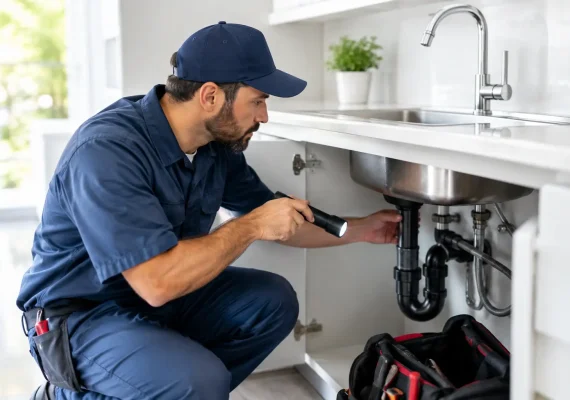
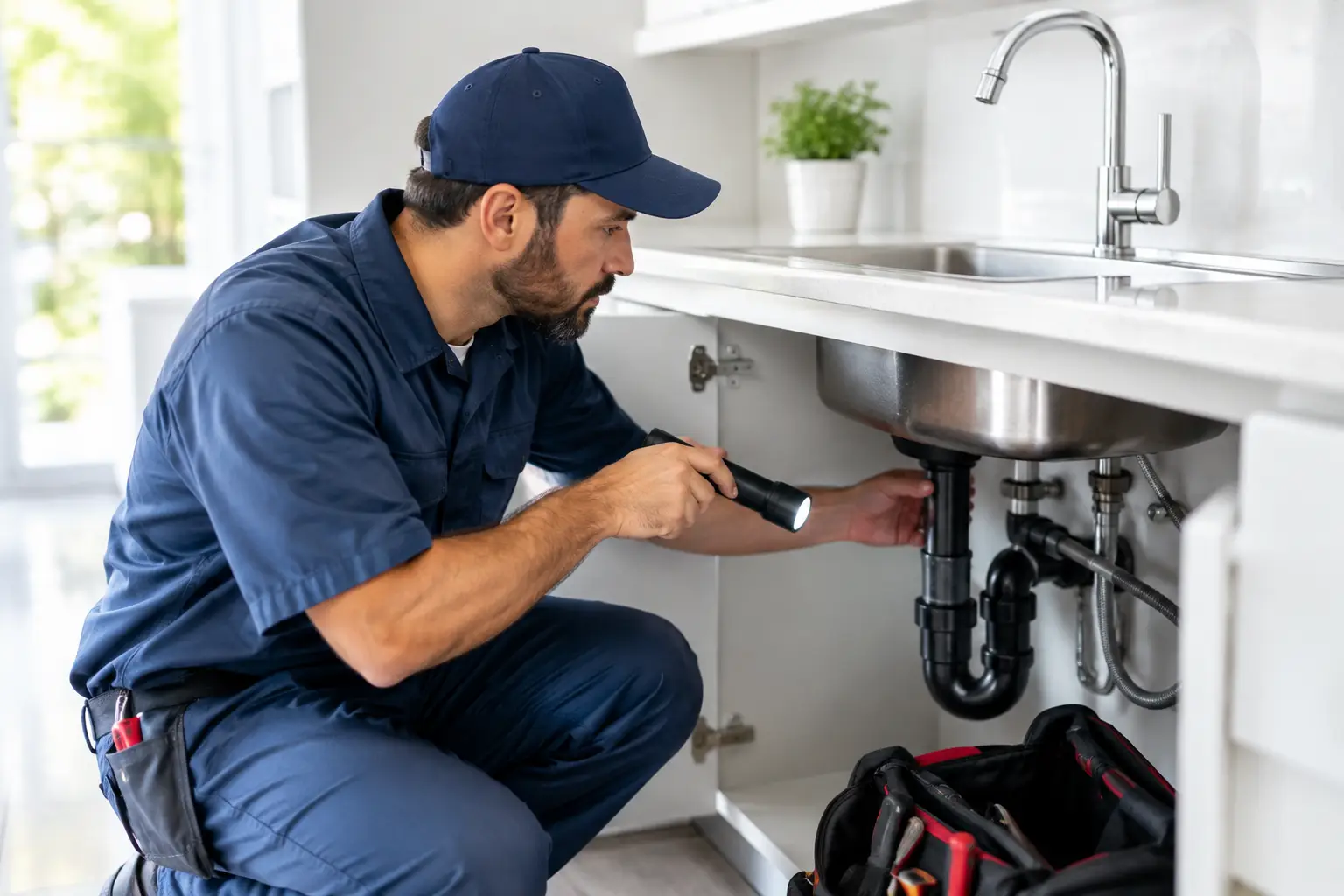
The property should smell neutral. Avoid relying on heavy air fresheners to cover an underlying problem, since strong fragrances can make prospects wonder what is being hidden. Resolve the source instead, whether it is pet odor, mildew, trash, a dirty disposal, old carpet, or an HVAC issue. In Houston’s humid climate, moisture control deserves special attention. Check under sinks, around toilets, near windows, and at air-conditioning components for leaks or signs of mold and mildew.
Lighting also changes how a property feels. Replace burned-out bulbs, open blinds where appropriate, and make sure exterior and interior lights work before the appointment. A dark hallway, dim bathroom, or poorly lit entry can make an otherwise solid rental feel neglected. During hot months, set the thermostat at a comfortable temperature before the prospect arrives. A cool, well-lit home gives renters a chance to focus on the layout and features instead of discomfort.
Outside, focus on the route a prospect takes from the street or parking area to the front door. Mow the lawn, trim overgrowth, remove weeds, clear debris, and make sure the entry is easy to find. For multifamily properties, tidy common areas, breezeways, mail areas, stairwells, and parking areas. Prospective tenants often use these spaces to judge how a property will be managed after they move in.
Make the Property Easy to Tour
Even a clean unit can lose momentum if the showing is difficult to schedule or access. Confirm the appointment, provide clear parking and entry instructions, and make sure the person conducting the tour has reliable access before the prospect arrives. A lockbox, smart lock, or coordinated key checkout process can help, but access procedures must protect the property and comply with company policy.
For occupied rentals, communication matters even more. Provide proper notice, respect the current tenant’s privacy, and schedule within agreed-upon windows whenever possible. An occupied home will rarely look as polished as a vacant one, but it can still show well when expectations are clear. Ask the tenant to secure pets, remove personal valuables from visible areas, and allow reasonable access to every room.
Do not overbook appointments just to create activity. Back-to-back showings can work for a vacant unit, but only if there is enough time to reset lights, secure doors, and answer questions. For a higher-end home, a commercial space, or a property with an occupied tenant, a more deliberate appointment schedule is often the better choice. The prospect should not feel rushed through a property or walk into a tour that is still underway.
Present Information That Helps Renters Decide
A showing should answer practical questions without overwhelming the prospect. Be prepared to discuss the monthly rent, security deposit, lease term, pet policy, utility responsibilities, parking, application requirements, and anticipated move-in date. For properties with homeowners association rules, provide clear guidance on any relevant parking, exterior, or occupancy requirements before a renter applies.
Keep the conversation factual and consistent. Fair housing compliance requires the same professional approach for every prospect. Describe the property, its features, the lease criteria, and the application process without making assumptions about a prospect’s family status, background, or lifestyle.
It also helps to explain how maintenance requests and rent payments are handled. Renters increasingly expect clear digital options, timely communication, and a defined process when something needs repair. Showing that the property is supported by organized management can help distinguish a rental from a similar home that appears owner-managed and uncertain.
Check the Details Before Every Appointment
A final walk-through on the day of the showing prevents avoidable mistakes. Turn on lights, adjust the thermostat, flush toilets, run faucets briefly, and check that appliances and ceiling fans are off unless they are needed for comfort. Make sure blinds are straight, trash is removed, and all rooms are accessible.
Pay close attention to maintenance issues that may have appeared after the turnover. A drain can back up, an AC system can stop cooling, or a storm can leave debris at the entry. These small problems are easier to resolve before a prospect sees them than to explain afterward.
Security matters as well. Remove owner materials, keys, mail, maintenance records, and any information that should not be available to visitors. After each tour, confirm that windows are closed, doors are locked, lights are off as appropriate, and the property is secure. A consistent process protects both the asset and the people touring it.
Follow Up While Interest Is Fresh
The showing does not end when the prospect leaves. Prompt follow-up gives qualified renters a clear next step and helps management understand whether the unit is priced and presented competitively. If prospects repeatedly mention the same concern, such as worn carpet, limited parking, or an outdated appliance, treat that feedback as operational information rather than a one-off comment.
Track showing volume, applications, and reasons prospects decline. A property receiving plenty of tours but few applications may have a condition, pricing, or policy issue. A property receiving very few inquiries may need stronger marketing, better photos, a pricing adjustment, or faster response to leads. Prime Realty Property Management uses this kind of leasing oversight to help owners make decisions based on market response rather than guesswork.
A rental showing is a short window to demonstrate value, condition, and dependable management. When the property is clean, comfortable, secure, and ready to tour, the right prospect can picture moving in before they ever complete an application.