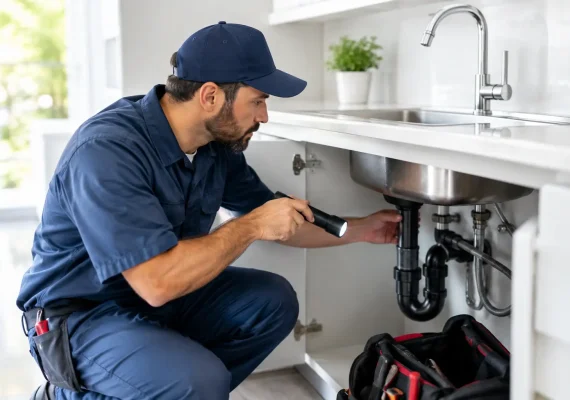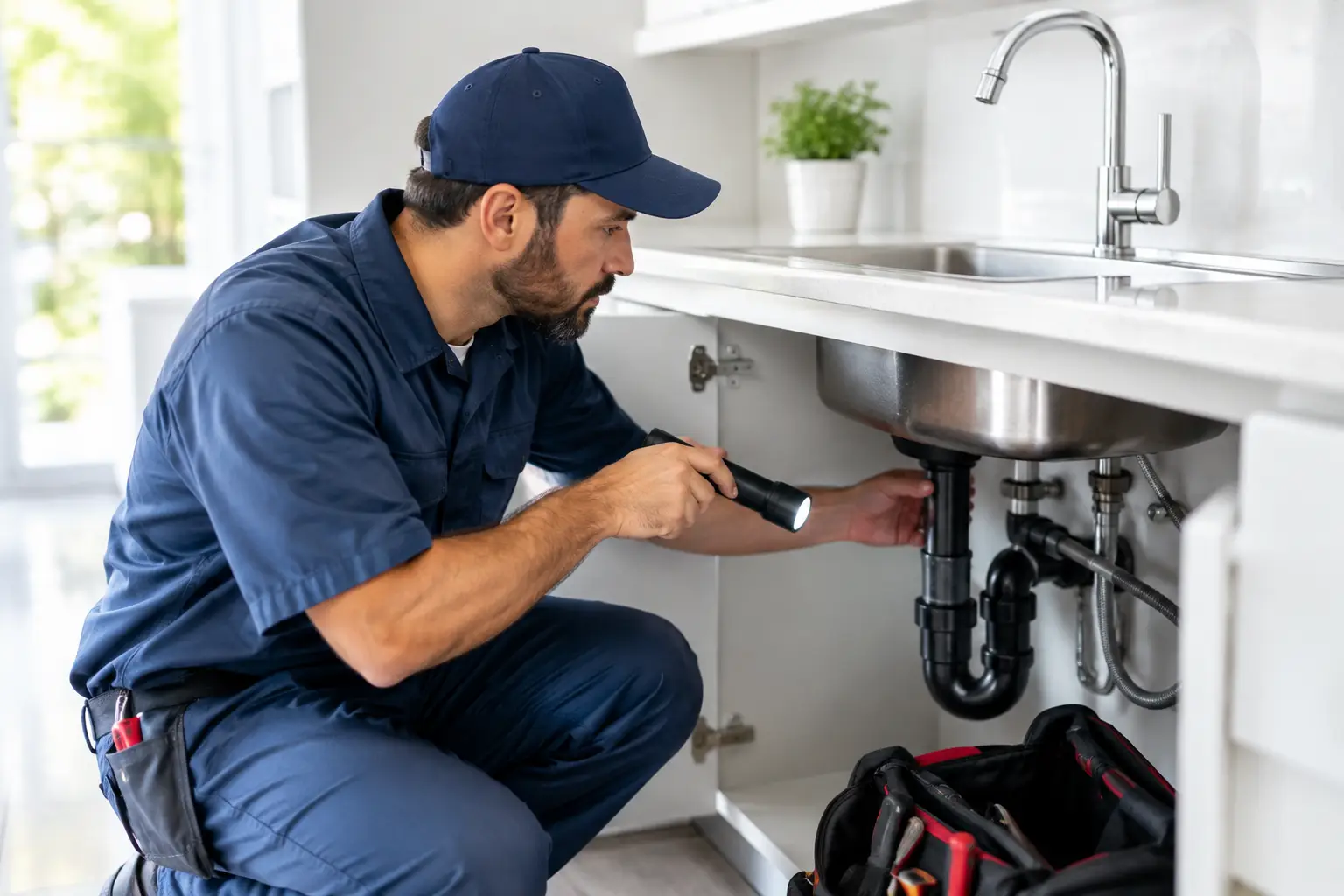

A leaking water heater at 9 p.m. is not just a repair issue. Left unmanaged, it can become damaged flooring, an unhappy resident, an insurance claim, and a costly vacancy. Effective maintenance coordination gives rental property owners a clear process for responding to problems before they become expensive disruptions.
For owners in Pasadena and the Greater Houston area, maintenance is one of the most time-sensitive parts of rental ownership. High humidity, heavy rain, heat, aging systems, and everyday resident use all place demands on homes, apartments, commercial spaces, and HOA-managed properties. The goal is not simply to send someone out when something breaks. It is to protect the property, control spending, maintain resident confidence, and keep rental income moving.
What Maintenance Coordination Should Accomplish
Maintenance coordination is the operational process of receiving repair requests, assessing urgency, communicating with residents, dispatching qualified vendors, approving work, documenting completion, and tracking costs. When handled well, it reduces uncertainty for everyone involved.
Residents need to know where to report a problem and whether someone is responding. Owners need timely information, reasonable cost controls, and records that explain what was done and why. Vendors need accurate details, property access instructions, and authorization to complete the right scope of work. A missed handoff at any point can delay repairs and increase the final bill.
The best process also distinguishes between a true emergency and an issue that can be scheduled during normal business hours. A gas smell, active water leak, loss of heat during cold weather, exposed electrical hazard, or security issue requires immediate action. A dripping faucet, minor drywall damage, or a malfunctioning appliance may still deserve prompt attention, but it can often be handled through an organized service appointment.
That judgment matters. Treating every request as an emergency drives up after-hours costs. Treating urgent conditions as routine can expose the owner to property damage, safety concerns, and avoidable liability.
Fast Response Does Not Mean Uncontrolled Spending
Owners often worry that maintenance requests will turn into open-ended expenses. That concern is reasonable, especially when a property manager must make decisions quickly to prevent further damage. The answer is not to delay necessary work. It is to use clear approval procedures and practical repair standards.
For routine work, a manager should verify the reported issue, request an estimate when appropriate, and communicate expected costs before authorizing larger repairs. For emergencies, the priority is to stabilize the situation first. Stopping a leak or making a property safe should not wait for multiple bids. Once the immediate risk is controlled, the owner can review options for permanent repairs or replacement.
Repair-versus-replace decisions also require context. Replacing an older HVAC component may cost more upfront than another repair, but repeated service calls, poor cooling performance, and higher utility strain can cost more over time. On the other hand, replacing a system that has years of useful life left may not be the best financial move. A good recommendation considers age, repair history, warranty coverage, resident impact, projected useful life, and the condition of comparable systems.
Volume also matters. A professional management company that coordinates work across many properties can build vendor relationships and pursue pricing that may be difficult for a single owner to obtain. The lowest bid is not always the best value, though. Reliability, licensing, insurance, response time, workmanship, and accountability should remain part of the decision.
A Clear Process Keeps Residents and Owners Informed
Poor communication is often what turns a manageable repair into a resident complaint. A tenant who submits a maintenance request and hears nothing may assume the problem is being ignored. An owner who sees an invoice without context may question whether the work was necessary. Both situations are preventable.
A coordinated process begins with a documented request. Online maintenance portals make it easier for residents to report an issue, add photos, and receive updates without relying on missed calls or informal text messages. Photos can help identify whether a condition is urgent, whether the likely cause is visible, and what type of vendor is needed.
From there, communication should set realistic expectations. The resident should know whether the request has been received, whether access is needed, and when a vendor is expected. The owner should receive the relevant information for material repairs, including the nature of the issue, estimated cost, and recommended next step when approval is required.
After completion, the work should be recorded. That includes invoices, service notes, photos when useful, warranties, and any recommendation for future follow-up. Documentation is more than administrative housekeeping. It helps owners understand recurring expenses, support warranty claims, evaluate vendor performance, and establish a reliable property history when planning capital improvements.
Preventive Work Reduces Emergency Calls
Maintenance coordination should not be limited to reacting when something fails. Preventive attention can extend the life of major systems and reduce the frequency of disruptive repairs.
For a single-family rental, regular HVAC servicing, roof and gutter checks, plumbing inspections, and seasonal exterior reviews can identify issues before they affect the resident. In multi-family and commercial properties, preventive work may also involve common-area lighting, irrigation, fire safety equipment, parking areas, access systems, and shared mechanical equipment. HOA communities have their own priorities, often involving common elements, vendor schedules, board approvals, and budget planning.
The right maintenance plan depends on the property type, age, condition, and ownership goals. A recently renovated condominium may require a different strategy than a 1970s apartment building or a commercial property with specialized equipment. There is no benefit in creating maintenance tasks simply to create activity. The focus should be on inspections and service that reduce risk, preserve asset value, and prevent larger expenses.
Houston-area weather makes this approach particularly practical. Heavy storms can reveal drainage problems and roof vulnerabilities. Long cooling seasons place pressure on HVAC systems. Moisture can contribute to mold concerns, wood deterioration, and plumbing-related damage if leaks are not identified quickly. A maintenance calendar helps owners prepare rather than react.
Maintenance Coordination Requires Vendor Accountability
A vendor is part of the resident experience, whether the owner sees that interaction or not. Late arrivals, unclear scheduling, incomplete repairs, and poor communication can reflect badly on the property and contribute to turnover. For that reason, vendor coordination should include more than sending a work order.
Qualified vendors should be selected based on the service required and monitored over time. Are they responsive? Do they arrive as scheduled? Do they provide clear invoices? Is the repair holding up? Are residents treated professionally? These are practical questions that affect both cost and retention.
It is also important to confirm the scope of work before closing a request. A vendor may repair the immediate symptom without identifying the underlying cause. For example, replacing a damaged section of drywall does little good if an ongoing plumbing leak remains behind the wall. Proper follow-up helps prevent repeated work orders for the same condition.
At Prime Realty Property Management, maintenance handling is part of the larger operational responsibility of protecting the property while reducing the owner’s day-to-day workload. That means coordinating the details that owners should not have to chase after work, during travel, or in the middle of the night.
What Owners Should Expect From Maintenance Reporting
Maintenance expenses should not feel like a black box. Owners should be able to see what was repaired, when it was completed, what it cost, and whether additional work is recommended. Consistent reporting makes it easier to identify patterns, such as repeated plumbing issues, aging appliances, or unusually high turnover-related repairs.
This visibility also supports better budgeting. Some maintenance costs are unpredictable, but many are not. A property with an aging roof, older HVAC equipment, or original plumbing may require a reserve plan. Knowing what has been repaired over the past year helps an owner decide where to invest before a major failure forces the decision.
There is a balance to strike. Owners do not need to be pulled into every minor service request, and managers should not make significant discretionary expenditures without a defined approval process. Clear thresholds allow routine issues to move quickly while keeping owners involved in larger decisions.
The strongest maintenance program is measured by more than how quickly a work order closes. It should protect the asset, keep residents informed, produce usable records, and make costs easier to understand. When those pieces are in place, maintenance becomes less of a recurring interruption and more of a disciplined part of long-term rental performance.