
Rent collection can create more owner stress than almost any other part of a rental operation. Chasing checks, answering payment-status questions, recording deposits, and following up on late balances all take time away from leasing, maintenance decisions, and portfolio growth. An online rent payment portal gives tenants a clear place to pay while giving owners and managers a more organized way to monitor income.
For rental owners in Pasadena and the Greater Houston area, the value is not simply that rent can be paid electronically. The real benefit is a more consistent collection process, better visibility into account activity, and fewer manual steps in the monthly routine. When used as part of a well-managed operation, a portal can support stronger cash flow and a better tenant experience.
What an Online Rent Payment Portal Changes for Owners
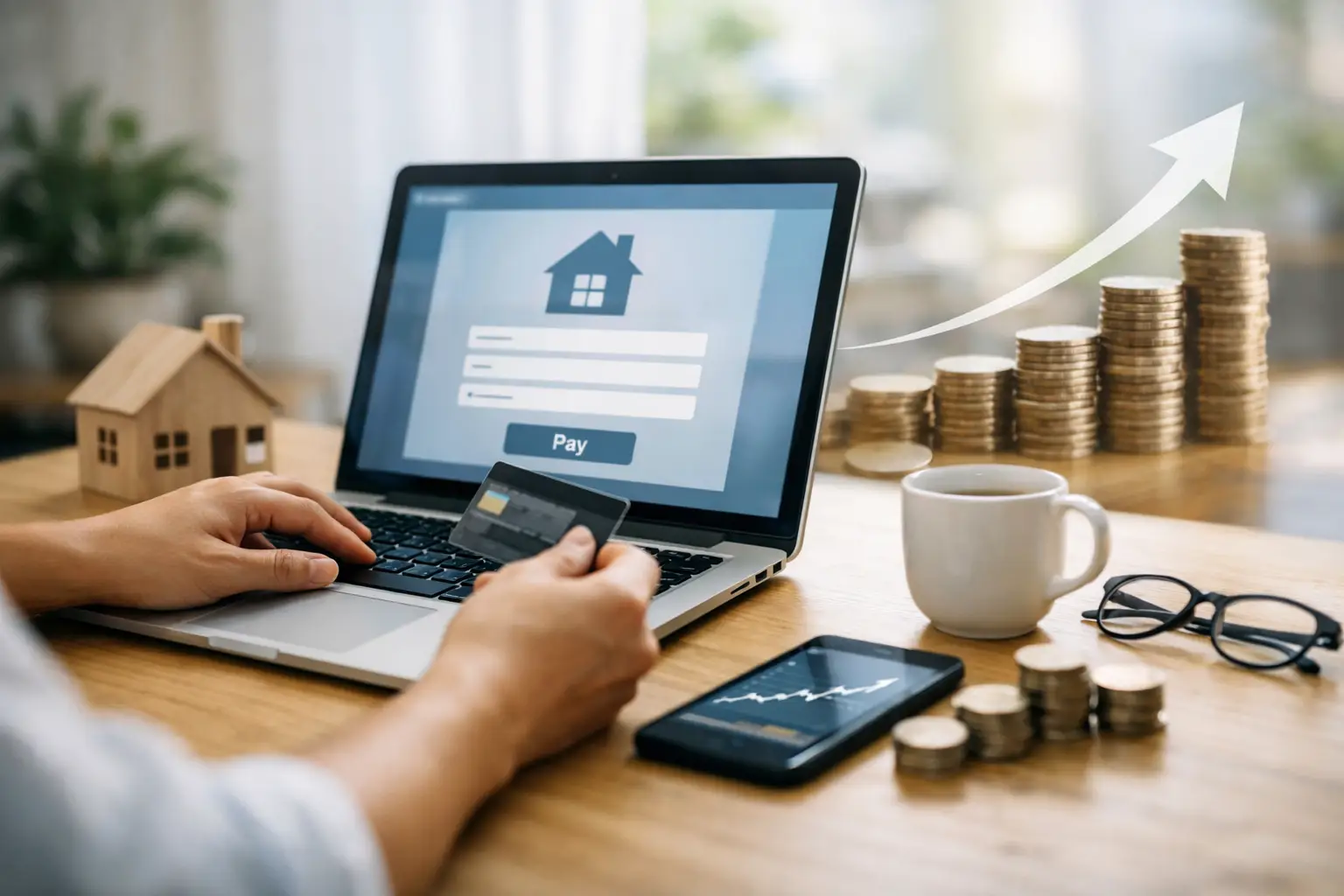
A payment portal creates a single system for rent transactions instead of relying on mailed checks, drop boxes, money orders, phone calls, and informal payment arrangements. Tenants can see what they owe and submit payment through the approved method. Management can see when payments are made, which accounts remain outstanding, and whether a balance needs follow-up.
That consistency matters most at the beginning of the month, when payment activity is high and small administrative delays can quickly become a larger problem. Rather than sorting through paper payments and manually updating records, a property manager can work from a current payment history. This helps reduce avoidable errors, such as applying a payment to the wrong unit or overlooking a partial balance.
For an owner, clearer records also make financial oversight easier. Rent receipts, payment dates, outstanding amounts, and transaction histories are available in one place. That is useful when reviewing monthly performance, preparing information for accounting, or resolving a tenant question about a previous payment.
Electronic payment does not guarantee that every tenant will pay on time. It does, however, remove friction from the payment process. A tenant who can pay from a phone or computer has fewer reasons to delay because they cannot get to an office, do not have checks available, or are unsure where to send a payment.
Better Convenience Can Support On-Time Payments
Tenants expect basic services to be accessible online, particularly in a large, fast-moving market such as Greater Houston. A portal gives them a convenient way to review charges, make a payment, and maintain a record of their own transaction history. It also reduces uncertainty. They do not need to wonder whether a check arrived or whether a payment was received.
Convenience should be paired with clear lease enforcement. Tenants need to understand the due date, grace period, accepted payment methods, late-fee policy, and the process that follows nonpayment. A portal is most effective when those expectations are communicated before move-in and applied consistently afterward.
For some residents, payment options also matter. A tenant may prefer a bank transfer, while another may need to use a different approved electronic method. The right setup depends on the property, the available platform features, transaction costs, and the management company’s policies. Owners should focus less on offering every possible option and more on providing a reliable process that tenants can understand and use.
Consistency protects the resident relationship
Rent collection can become confrontational when the process is unclear or handled differently from one tenant to another. A portal helps establish a uniform routine: charges are posted, payments are recorded, and account balances are visible. That does not eliminate difficult conversations when a resident falls behind, but it gives both parties a clearer record of what occurred.
This is especially helpful for multifamily properties and larger portfolios, where inconsistent processes can create unnecessary disputes. It also benefits owners of single-family homes and condos who want professional documentation without personally managing every monthly transaction.
Stronger Records Mean Better Financial Control
An online payment process is not just a tenant amenity. It is an operational control. When rent activity is documented accurately, owners have a better foundation for evaluating property performance.
A reliable payment record can help answer practical questions: Is rent arriving on schedule? Are late payments becoming a pattern at a particular property? Is an account carrying forward a remaining balance? Has a payment arrangement been followed? These details influence cash-flow planning and help managers address issues before they become more expensive.
Accurate records can also reduce the administrative burden of owner reporting. Rather than rebuilding a payment history from deposits, texts, emails, and paper receipts, management can rely on a centralized record. This supports cleaner reporting and makes it easier to distinguish collected rent from amounts that are still due.
For investors with multiple properties, the advantage compounds. A single late payment may be manageable, but scattered processes across several homes, apartment units, or commercial spaces can make it difficult to see the full picture. Centralized payment tracking creates more discipline around collections and reporting.
A Portal Does Not Replace Rent Collection Policies
Technology is helpful, but it is not a substitute for management judgment. A portal cannot qualify a tenant properly, set an appropriate rental rate, enforce a lease, or decide how to respond when a resident experiences a legitimate hardship. Those responsibilities still require a defined process and experienced oversight.
Owners should be cautious about assuming that digital payments alone will eliminate late rent. Payment problems can stem from job changes, poor screening, inaccurate charges, communication gaps, or a tenant’s inability to pay. The portal makes account information easier to access, but timely follow-up and consistent policy enforcement remain essential.
The best results come from combining the portal with sound leasing practices, clear resident communication, and prompt action when a balance becomes delinquent. That approach protects income while treating residents professionally and fairly.
What to Look for in an Online Rent Payment Portal
The most useful portal is one that fits the day-to-day needs of the property and the people using it. A system should be easy enough for tenants to adopt without repeated assistance, while still giving management the controls needed to oversee payment activity.
Look for a platform that provides clear account balances, payment confirmations, current transaction histories, and reporting that supports owner accounting. Security matters as well. Payment information should be handled through established processes designed to protect sensitive tenant data.
It is also worth considering how the portal connects to the broader management workflow. When payments, maintenance requests, lease records, and tenant communication are handled through coordinated systems, staff spend less time moving information between separate tools. That can improve response times and reduce the chance that a tenant issue is missed.
Cost should be reviewed carefully. Payment processing fees, convenience fees, chargeback procedures, and accepted payment types can vary. There is no one right structure for every property. The goal is to choose an arrangement that is transparent to tenants and supports the property’s financial objectives without creating unnecessary friction.
Adoption requires a clear rollout
Even a well-designed portal will underperform if tenants do not know how to use it. At move-in, residents should receive straightforward instructions on where to access the system, how to make a payment, when rent is due, and whom to contact if they have trouble.
Existing tenants may need additional communication during a transition from paper payments to an online process. Giving advance notice, explaining the benefits, and setting a clear effective date can reduce confusion. Management should also be prepared to assist residents who need help learning the new process, particularly at the start of implementation.
The Value of Professional Oversight
An online portal works best when someone is actively monitoring what the information means. A payment marked late may require a reminder, a review of the lease, or a formal next step. A partial payment may affect the remaining balance and the collection process. Those decisions should not be left to automation alone.
Prime Realty Property Management uses technology-enabled tenant services to make payments and maintenance communication more convenient while maintaining the hands-on oversight owners need. That combination helps reduce the day-to-day workload of ownership without losing control of the details that affect returns.
Whether you own one rental home or a larger portfolio, the right payment process should make rent collection more predictable, records more reliable, and tenant communication easier to manage. When those basics are handled well month after month, owners can spend less time tracking payments and more time making informed decisions about their investments.