A leaking supply line rarely happens during business hours. Neither do air-conditioning failures in a Houston summer, drainage backups after a hard rain, or lock issues that leave a tenant unable to secure a home. An online maintenance request system gives residents a clear way to report problems when they occur and gives owners a reliable process for getting the right response without chasing phone calls, text messages, and incomplete details.
For rental property owners, the value is not simply convenience. A well-managed maintenance portal creates documentation, improves response times, helps prevent small issues from becoming expensive repairs, and makes the entire operation easier to oversee. Whether you own one single-family rental or a portfolio of apartments, commercial spaces, or HOA properties, the system should support better decisions and protect the condition of the asset.
Why Maintenance Requests Need a Clear Process
Maintenance is one of the most common reasons tenants contact a property manager. When reporting is disorganized, the consequences add up quickly. A resident may send a vague text to one person, leave a voicemail for another, or wait until a minor issue becomes urgent. The owner may receive a repair bill with little context about what happened, when it was reported, or whether the cost could have been avoided.
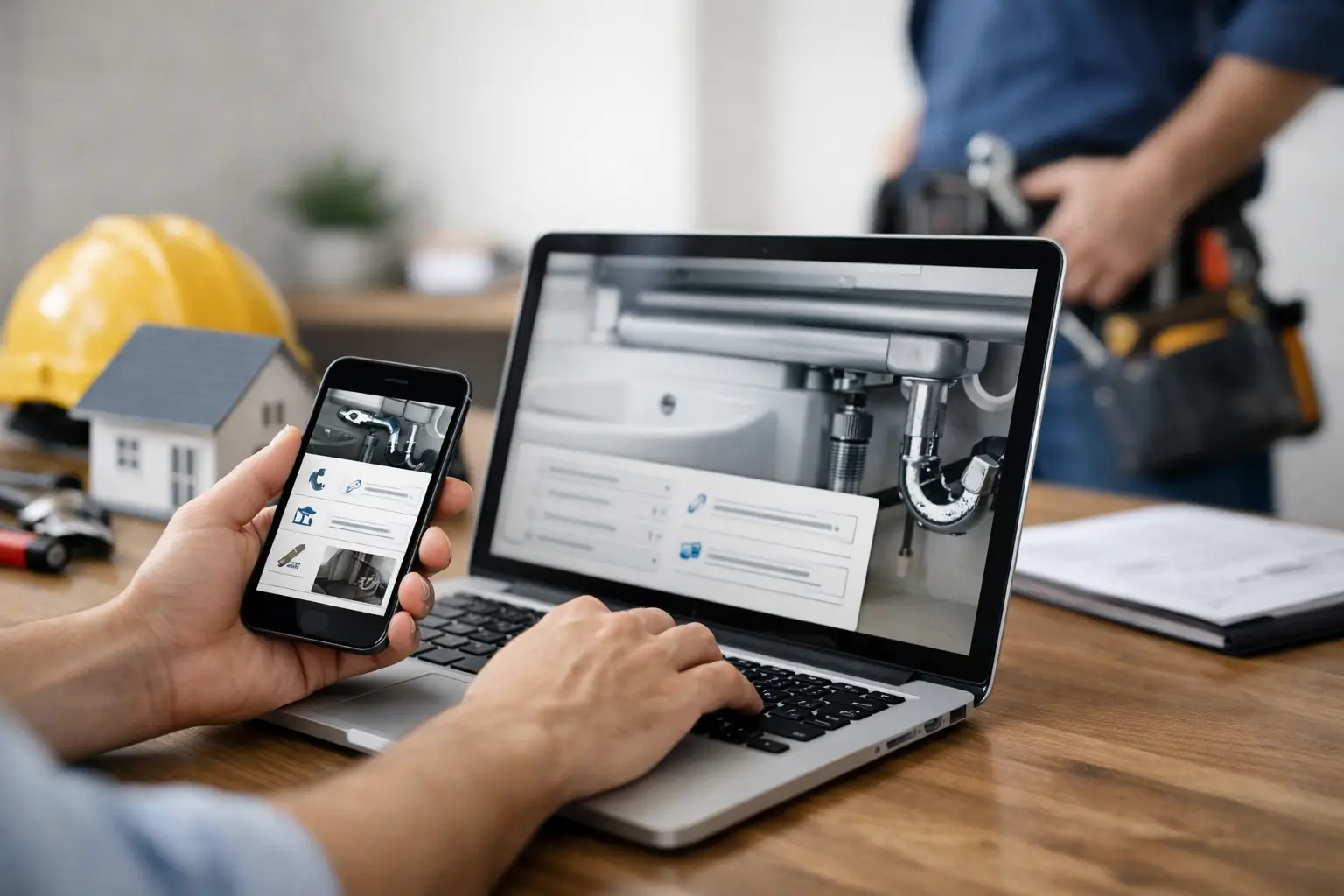
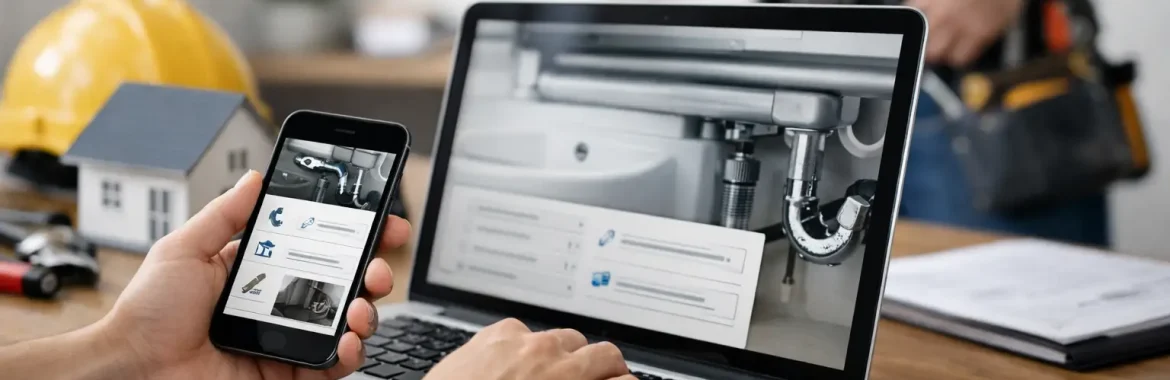
A centralized digital process changes that. Tenants can submit the issue, describe the symptoms, attach photos or video when helpful, and provide access details. The property management team can review the request, determine the appropriate priority, assign a qualified vendor, and keep a record of communication from initial report through completion.
That record matters. It helps establish when a condition was reported, what action was taken, and whether the repair is recurring. For owners, this translates into better visibility and fewer surprises. For tenants, it provides confidence that their concern entered a real workflow rather than disappearing into an unanswered message.
What an Online Maintenance Request System Should Do
Not all software tools or management processes deliver the same result. The right setup must do more than collect requests. It needs to move each issue toward resolution while keeping the owner, resident, manager, and vendor aligned.
Capture complete information from the start
A strong request form prompts tenants to provide useful details. Instead of receiving “the sink is broken,” the manager can see which fixture is affected, whether water is actively leaking, when the issue began, and whether the resident can safely shut off the water. Photos can often help distinguish a simple repair from a condition that requires immediate attention.
Clear reporting reduces unnecessary back-and-forth and helps send the right vendor on the first visit. That saves time, limits disruption for the tenant, and can reduce labor costs caused by repeat trips.
Separate emergencies from routine repairs
An online portal should make it clear which problems require immediate emergency action and which can be handled during normal business hours. Active flooding, a gas odor, exposed electrical hazards, loss of essential utilities in qualifying conditions, and security concerns require a different response than a dripping faucet or loose cabinet hinge.
This distinction protects residents and properties while allowing the maintenance team to allocate resources responsibly. Treating every request as an emergency can drive up after-hours costs. Treating a real emergency as routine can expose the property to greater damage and liability. Good management depends on sound judgment in between those extremes.
Track communication and work status
Tenants should know that a request was received and understand the next step. Owners should be able to rely on a process that documents vendor assignment, appointment coordination, repair updates, and final completion. A request that is sitting unresolved is easier to identify when it has a visible status rather than living in an inbox.
Communication is especially important when a repair requires parts, owner approval, multiple vendor visits, or insurance coordination. Not every problem can be fixed in one day. The goal is not to promise an unrealistic timeline. The goal is to communicate clearly, move the work forward, and avoid leaving anyone uncertain about who is responsible.
Build a usable maintenance history
Over time, maintenance records become valuable operational data. Repeated HVAC service calls may indicate that replacement is more cost-effective than continued repair. Frequent plumbing complaints may point to a hidden leak, aging supply lines, or a tenant education issue. A pattern of roof-related calls after storms can help establish a more proactive inspection schedule.
For owners evaluating performance, a documented repair history also helps with budgeting, renewal planning, property sales, and insurance claims. The better the records, the easier it is to make decisions based on facts instead of memory.
The Financial Impact for Rental Owners
Maintenance costs are unavoidable. Poor maintenance management is not. The most expensive repair is often the one that started as a small, unreported issue. A minor roof leak can lead to damaged drywall, mold concerns, and a vacancy. A slow toilet leak can increase water bills and damage flooring. An ignored HVAC problem can become a full system failure during peak summer demand.
An organized reporting process supports early intervention. That does not mean every request will be inexpensive, and it does not eliminate the need for capital improvements at aging properties. It does mean the owner has a better chance of addressing conditions before they become more disruptive and costly.
There is also a tenant-retention benefit. Residents do not expect every repair to be instant, particularly when parts or specialized vendors are needed. They do expect a professional response and a reasonable effort to resolve the problem. When maintenance communication is clear, tenants are more likely to view the property as well managed. That can support lease renewals and reduce the cost of turnover.
Where Technology Still Requires Professional Oversight
A portal is a tool, not a substitute for experience. Software can capture a request, but it cannot always determine whether a tenant-reported issue is caused by normal wear, resident damage, a vendor warranty matter, or a larger property condition. It cannot inspect a repair, compare bids for significant work, or decide when replacement offers a better long-term return than another service call.
That is where professional management adds value. A capable team applies local vendor relationships, property knowledge, lease terms, and practical judgment to the information coming through the system. In the Greater Houston market, weather exposure, high humidity, drainage concerns, and heavy HVAC use make timely maintenance coordination particularly important.
Prime Realty Property Management uses technology to make maintenance reporting more accessible while keeping real people accountable for the work that follows. Owners should not have to choose between digital convenience and hands-on oversight. The most effective approach combines both.
How Owners Can Get Better Results From the System
The process works best when expectations are established before the first repair request arrives. Residents should receive clear instructions on how to submit routine maintenance, what qualifies as an emergency, and how to take immediate safety steps when appropriate. They should also understand that reporting an issue promptly is part of their lease responsibility.
Owners benefit from setting practical maintenance approval guidelines with their management team. A reasonable threshold can allow routine repairs to move quickly while ensuring the owner is consulted on larger expenses or replacement decisions. The right threshold depends on the property type, age, cash flow, and the owner’s preferred level of involvement.
It is also wise to review maintenance activity periodically. Look for repeat work orders, high-cost systems, recurring vendor charges, and repairs that may signal a pending capital expense. A rental property performs better when maintenance is treated as an ongoing operating function, not a series of isolated emergencies.
A Better Experience for Tenants and Owners
An online maintenance request system creates structure at the moment structure matters most: when something in the property is not working. Tenants get an accessible reporting channel and clearer updates. Managers get complete information and a documented workflow. Owners get greater confidence that repairs are being handled promptly, recorded accurately, and evaluated with the property’s long-term performance in mind.
The best maintenance process is rarely the one that creates the fewest requests. It is the one that makes it easy to report issues early, addresses the right problems at the right time, and protects both the resident experience and the owner’s investment.