
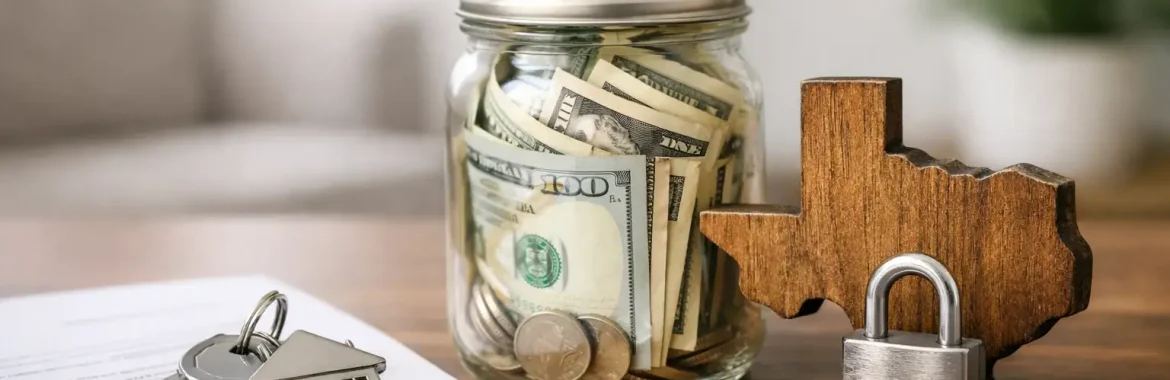
A security deposit is often the last financial conversation an owner has with a resident, which makes it one of the most consequential. A poorly documented deduction can turn an otherwise successful tenancy into a dispute. A clear deposit policy, consistent records, and prompt accounting protect the property, the owner’s cash flow, and the resident’s trust in the process.
For rental owners in Pasadena and the Greater Houston area, the goal is not to keep as much of a deposit as possible. The goal is to recover legitimate costs while following Texas requirements and treating every resident consistently. That approach reduces avoidable conflict and supports a more professional rental operation.
What Security Deposits Are Designed to Cover
A security deposit provides a financial cushion when a resident does not meet obligations under the lease. Depending on the lease terms and the condition of the property at move-out, it may be used for unpaid rent, unpaid utility charges owed by the resident, cleaning beyond ordinary turnover needs, repair of tenant-caused damage, missing keys or remotes, and other authorized charges.
The key distinction is between damage and normal wear and tear. Normal wear results from ordinary use over time: lightly worn carpet in a high-traffic hallway, small nail holes, minor scuffs, or fading paint. Damage is caused by neglect, misuse, or an event outside normal occupancy: large holes in walls, broken doors, unauthorized paint colors, pet damage, heavily stained flooring, or fixtures damaged by improper use.
That distinction matters because owners should not charge a resident for the expected aging of a property. Trying to pass routine maintenance costs through the deposit may lead to disputes and can undermine the owner’s position if the matter escalates. A well-maintained rental will still require turnover work between residents. The deposit should address costs that go beyond that ordinary business expense.
Set Security Deposits With the Property and Market in Mind
There is no single deposit amount that fits every property. A modest one-bedroom apartment, a single-family home with a fenced yard, and a higher-end condominium carry different risk profiles and turnover costs. The deposit should make financial sense for the rental rate, the property’s condition, tenant qualification standards, and the local market.
Setting the amount too low can leave an owner exposed when meaningful repairs or unpaid balances arise. Setting it too high can reduce applicant interest and extend vacancy time. In a competitive Houston-area market, it depends on the property, its location, and the quality of the applicant pool. The right number protects the owner without creating an unnecessary barrier to a qualified resident.
Lease language should state the deposit amount, what it can be applied toward, and that it cannot automatically be used as the resident’s final month of rent. Residents sometimes assume they can stop paying rent before moving and allow the deposit to cover the balance. Unless the lease specifically permits that arrangement, rent remains due through the end of the tenancy.
Pet-related charges also need clear treatment. A refundable pet deposit is generally handled differently from a nonrefundable pet fee. The lease should identify each charge accurately and explain its purpose. Blending refundable and nonrefundable charges together creates confusion at move-out and makes accounting more difficult.
Documentation Is the Owner’s Best Protection
A deposit decision is only as strong as the records behind it. Before a resident receives keys, document the condition of the property with a detailed move-in inspection, time-stamped photographs, and video when useful. The inspection should cover floors, walls, appliances, fixtures, doors, windows, outdoor areas, and any included equipment.
The move-in condition report should not sit in a file untouched until the lease ends. Give the resident an opportunity to identify pre-existing concerns shortly after move-in. This creates a more accurate baseline and prevents disagreements about whether a scratch, stain, or broken item existed before occupancy.
At move-out, conduct another inspection using the same standards. Photos should be clear enough to show both the damage and its location in the property. Keep vendor invoices, repair estimates, receipts, cleaning records, and internal maintenance notes. If the repair involves an item with a limited useful life, avoid treating a full replacement cost as an automatic tenant charge when age and existing condition should be considered.
Consistency is equally important. If one resident is charged for missing garage remotes but another is not, the process begins to look arbitrary. Written procedures help owners and managers apply the same standards across houses, apartments, condos, and other rental assets.
Make the Move-Out Process Clear Before It Starts
Many deposit disputes can be prevented before the resident turns in keys. A written move-out notice should explain the required notice period, final cleaning expectations, key and access-device return procedures, utility instructions, and the need to provide a forwarding address.
Providing a practical checklist can help residents leave the home in better condition. It should not promise a full refund or imply that every item on the list is automatically deductible. Instead, it should explain the condition expected under the lease and give residents a fair opportunity to address avoidable issues before their departure.
A pre-move-out walkthrough can also be useful when handled carefully. It allows the manager to point out visible concerns, but it is not a substitute for the final inspection after the home is vacant and cleaned. Some damage is not visible until furniture, rugs, and personal belongings are removed.
Texas Timing and Accounting Requirements Matter
Texas law places important responsibilities on landlords handling residential security deposits. In general, a landlord must return the deposit or provide an itemized description and accounting of deductions within 30 days after the resident surrenders the premises and provides a forwarding address. Operationally, that means the move-out file should be assembled quickly, not left until the end of the month.
The accounting should be specific. A vague line such as “damages – $800” invites questions. A clearer statement identifies the charge and amount, such as carpet stain treatment, replacement of a broken bedroom blind, unpaid water bill, or cleaning required beyond normal turnover. Supporting invoices and photos should remain in the property file even when they are not included with every communication.
Residential owners should also understand that wrongfully withholding a deposit can create financial exposure. Texas law provides potential remedies for bad-faith withholding, so the safest practice is straightforward: deduct only legitimate, documented, lease-authorized charges and return any remaining balance promptly.
Commercial leases, HOA arrangements, and certain specialized occupancy agreements may operate under different contract terms and rules. Owners of these properties should not assume that residential procedures apply in every respect. A management team can administer the operational process, but owners should seek qualified legal guidance when a lease provision, claim, or dispute raises a legal question.
Build Deposit Handling Into Your Operating System
Security deposit administration becomes difficult when it relies on memory, scattered text messages, and last-minute calculations. It works better as a repeatable process: collect and record the deposit correctly, retain the signed lease and condition reports, document maintenance during the tenancy, schedule the move-out inspection, gather invoices, prepare the accounting, and issue the remaining funds on time.
This process also improves owner reporting. Deposits should be tracked separately from rent and operating income so the property’s financial position is clear. Owners need to know what funds are being held, what deductions are pending, and what turnover expenses belong to the owner rather than the former resident.
At Prime Realty Property Management, disciplined documentation and responsive coordination are part of protecting rental performance. A deposit is not a substitute for careful screening, regular inspections, or preventive maintenance. It is one tool within a broader system designed to reduce owner risk and keep properties ready for the next qualified resident.
When a resident moves out, a fair and well-documented deposit process does more than close an account. It protects the property’s value, preserves the owner’s time, and sets the standard for how the rental business operates when the details matter most.