
A tenant reports a leaking water heater at 9:30 p.m., and the question for the owner is immediate: do you need to handle it yourself, or is that part of what a property manager does? If you have ever asked, does property management include maintenance, the short answer is yes – but the full answer depends on the company, the management agreement, and the type of property you own.
For most rental owners, maintenance is one of the main reasons to hire professional management in the first place. Leasing, rent collection, and tenant communication matter, but maintenance is where time, cost, and stress tend to pile up fast. A good property management company does not just take repair calls. It puts a system around maintenance so problems are handled quickly, tenants stay satisfied, and the property stays in better condition over time.
Does property management include maintenance in most cases?
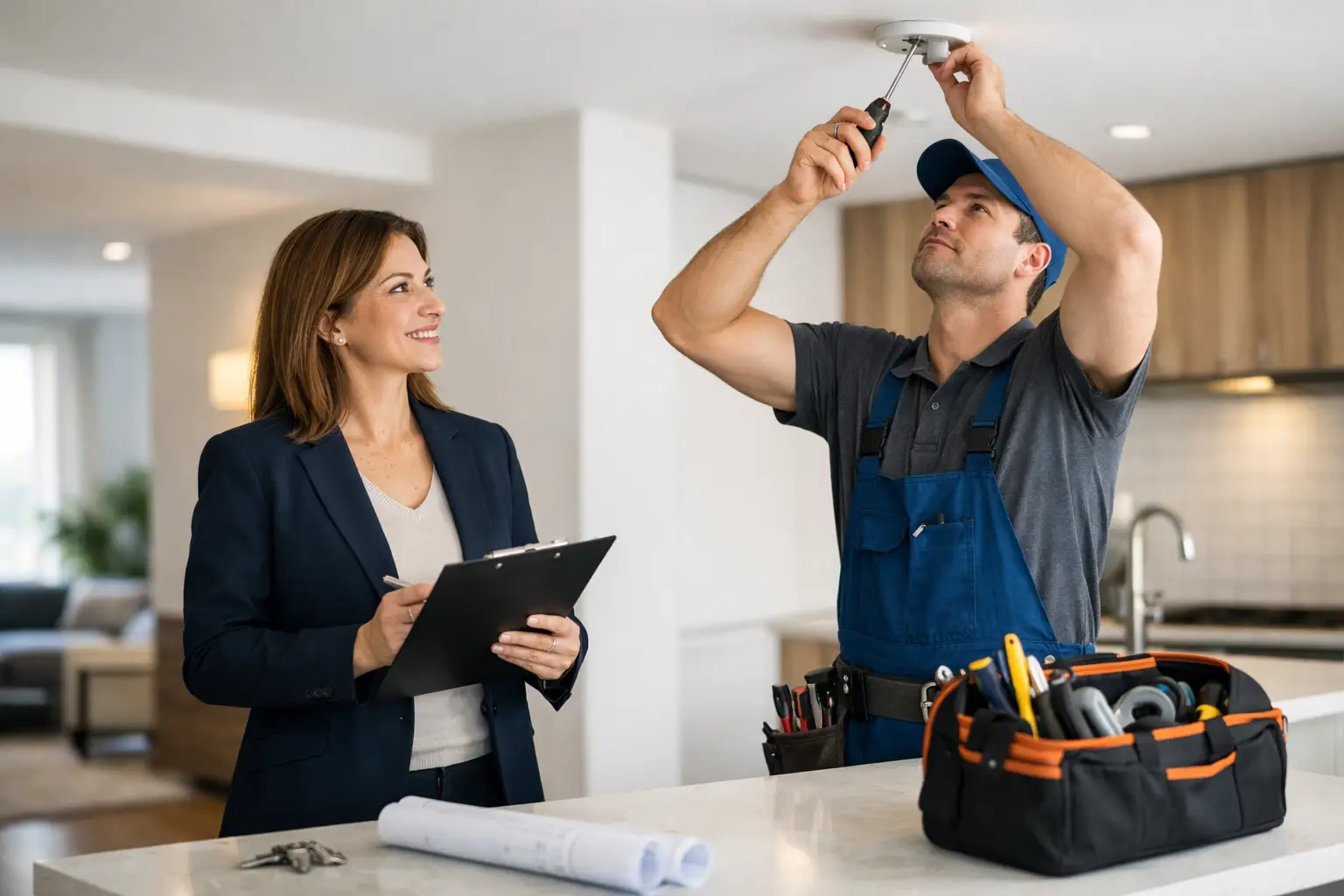
In most cases, yes. Property management generally includes coordinating routine maintenance, responding to repair requests, dispatching vendors, tracking work orders, and communicating with tenants throughout the process. For many owners, that means fewer interruptions, faster response times, and less scrambling to find reliable contractors when something breaks.
That said, maintenance included in property management usually refers to oversight and coordination, not free repairs. The management company handles the process, but the owner still pays for the actual maintenance work unless the issue falls under a vendor warranty, manufacturer warranty, or a resident-caused charge that can be billed back to the tenant.
This distinction matters. Some owners hear “maintenance included” and assume the monthly management fee covers the repair itself. In reality, the fee usually covers the administrative side: receiving the request, evaluating urgency, assigning the vendor, following up, and documenting the result.
What maintenance services are typically part of management?
Most full-service property management companies handle both day-to-day repair coordination and longer-term upkeep planning. On the day-to-day side, that often includes plumbing issues, electrical problems, HVAC service calls, appliance repairs, roof leak responses, pest control coordination, and general make-ready or turnover work between tenants.
There is also a preventive side to maintenance that experienced managers take seriously. This can include seasonal inspections, air filter replacement programs, safety checks, identifying deferred maintenance before it becomes expensive, and recommending repairs that protect rental value. That preventive approach is often where owners see the biggest financial benefit, because a manageable issue caught early is usually far cheaper than an emergency later.
For larger properties, commercial buildings, or HOA communities, maintenance coordination can extend even further. Common area upkeep, landscaping oversight, exterior repairs, vendor scheduling, and recurring service contracts may all fall under the management company’s responsibilities. The exact scope depends on the asset and the agreement.
Routine maintenance vs. emergency maintenance
Not every repair request carries the same level of urgency, and a strong management company treats them differently. Routine maintenance covers issues that need attention but do not create immediate risk, such as a dripping faucet, an appliance problem, or a minor drywall repair.
Emergency maintenance involves situations that threaten people or property. Think active water intrusion, sewage backups, no air conditioning during extreme Texas heat in certain circumstances, electrical hazards, or a security issue like a broken exterior door. In those cases, the value of property management is not just convenience. It is having a clear response process in place when timing matters.
For owners in Pasadena and the Greater Houston area, weather adds another layer. Heavy rain, humidity, drainage issues, storm damage, and HVAC strain are not rare events. Maintenance oversight in this market needs to be practical and responsive, not theoretical.
What is usually not included?
Even when maintenance is part of management, there are limits. Capital improvements are often outside standard maintenance coordination or may involve separate approval and project oversight. Replacing a roof, renovating a kitchen, rebuilding after major damage, or completing a large exterior upgrade is different from handling normal repair requests.
Some companies also charge additional fees for after-hours coordination, large project management, inspection services, or turnover supervision beyond a standard scope. Others include more in a flat management structure. This is why owners should always review the management agreement closely instead of assuming every company defines maintenance the same way.
Another area that varies is handyman work done in-house versus outsourced vendor coordination. Some firms have internal maintenance staff for certain repairs. Others rely entirely on third-party vendors. Neither model is automatically better. What matters is response time, quality control, pricing, and accountability.
Why maintenance handling matters so much for ROI
Owners often focus first on leasing and rent collection because those are easy to measure. Maintenance can feel more like an expense category. But in practice, maintenance has a direct effect on revenue, tenant retention, and asset preservation.
When repairs are handled slowly, tenants get frustrated. Frustrated tenants are more likely to move, and turnover is expensive. When problems are patched poorly instead of fixed correctly, repeat calls increase and costs rise. When preventive work is ignored, larger failures become more likely. All of that affects net income.
Well-managed maintenance supports stronger occupancy, protects the property’s condition, and reduces the chance of expensive surprises. It also helps owners budget more effectively because there is a clearer record of recurring issues, vendor performance, and property needs over time.
That is one reason many investors move away from self-management as their portfolio grows. One property might be manageable after hours. Several properties across different neighborhoods, with different tenants and different maintenance needs, is a different operational challenge.
How property managers typically handle the process
A well-run maintenance process is built around speed, communication, and documentation. Tenants need a simple way to submit requests. The management team needs a system for triaging urgency, assigning the right vendor, and tracking completion. Owners need visibility into what was done, what it cost, and whether additional work is recommended.
Technology helps, but process matters more. Online portals for maintenance requests and updates can improve convenience for tenants and reduce delays. Still, software alone does not solve anything if the team behind it is slow to respond or inconsistent in follow-up.
The best property managers also know when to escalate, when to get owner approval, and when immediate action is justified to prevent further damage. That judgment is part of the value. Owners are not paying just for someone to answer the phone. They are paying for organized oversight that protects the asset and keeps operations moving.
Questions owners should ask before signing
If maintenance is a major reason you are considering professional management, ask direct questions. Does the company provide 24/7 emergency response? How are vendors selected and supervised? Are there volume discounts that lower owner costs? What spending authority does the manager have before owner approval is required? How are maintenance updates communicated? Are inspections part of the process?
You should also ask how tenant-caused damage is documented and charged back, how turn repairs are handled between residents, and whether the company is proactive about recommending preventive work. These details tell you whether maintenance is being managed strategically or simply reacted to when something goes wrong.
For owners looking for dependable oversight, a full-service company like Prime Realty Property Management is typically built to absorb that day-to-day maintenance burden so owners can stay focused on performance instead of phone calls, scheduling, and repair coordination.
The real answer: yes, but read the scope carefully
So, does property management include maintenance? In most full-service arrangements, yes – maintenance coordination is a core part of the job. But that does not mean every repair is covered by the monthly fee, and it does not mean every company offers the same level of service.
The better question is not just whether maintenance is included. It is how well it is handled, how clearly responsibilities are defined, and whether the system protects your time, your tenants, and your property value. For rental owners, that is where the difference between basic management and effective management becomes very clear.
If you are comparing options, look beyond the promise of maintenance support and focus on the process behind it. A property performs better when repair issues are handled early, consistently, and with accountability.